Why Central Texas Land Investment in the Big Country Remains One of the Smartest Long-Term Decisions You Can Make
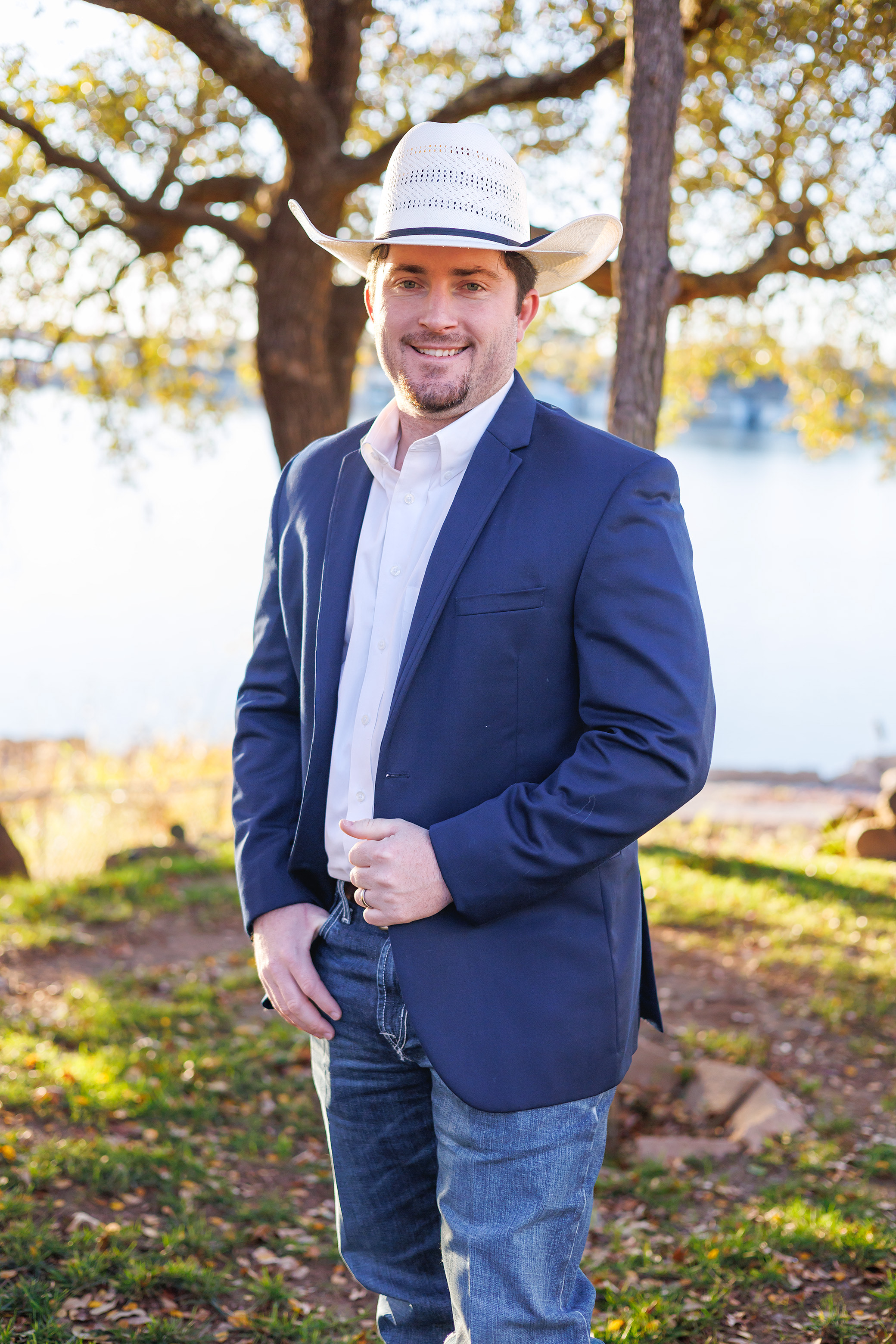
Hoelscher Ranch Group
Texas Land Specialist
This article is for general information only and is not legal, tax, or professional advice. Consult a licensed attorney, CPA, or other qualified professional for advice specific to your situation.
There's a particular kind of wisdom that comes from watching the same stretch of country across decades—seeing drought years followed by good rains, watching the land recover, noticing how the families who held on through hard times found themselves sitting on something extraordinary when conditions turned favorable again. If you've spent any time in Coleman, Brown, Callahan, Concho, McCulloch, Runnels, or Taylor County, you already understand something that outside investors are starting to figure out: Central Texas land holds value in ways that other asset classes simply cannot replicate.
Whether you're a multigenerational ranching family reconsidering how you're managing your property, a first-time land buyer looking for a place that serves both practical and personal goals, or someone simply trying to make sense of how rural real estate fits into a broader financial picture, the Big Country deserves a closer look. Not because of hype or speculation, but because of what the land here actually is and what it's capable of producing.
Understanding what drives land value in this part of Texas is the first step toward making informed decisions. Central Texas sits in an agricultural transition zone where the Edwards Plateau meets the Rolling Plains, and that geography matters enormously. Rainfall across Coleman, McCulloch, Concho, and neighboring counties averages between 18 and 26 inches annually—enough to support native grasses, browse species, and dryland farming in favorable years, but variable enough that water infrastructure, tank locations, and soil quality become critical considerations when evaluating any tract. A property with dependable stock tanks, strong native grass coverage, and decent clay-loam soils capable of holding moisture is a fundamentally different investment than bare hardpan ground with poor drainage, even if the asking prices look similar on paper.
The soils of this region tell their own story. You'll encounter sandy loam in parts of Brown and Coleman counties that's historically supported dryland peanut and small grain production. Callahan County's red clay soils run a little heavier and have long supported cow-calf operations built around improved coastal bermudagrass pastures. Move south into Concho and McCulloch counties and you find the rocky limestone terrain that's home to some of the best deer and turkey habitat in Texas—land that produces real income through hunting leases while simultaneously qualifying for wildlife management exemptions that significantly reduce the property tax burden on owners.
That tax structure piece is one of the most concrete and immediate benefits of owning agricultural or wildlife management land in Texas, and it's worth understanding clearly. Texas has no state income tax, and qualified agricultural land is taxed on its productive value rather than its market value. The difference between those two numbers has grown substantially over time in most Central Texas counties. A tract appraised at current market value might face a tax bill several times higher than the same property taxed under an agricultural or wildlife management valuation. Working with a qualified ag consultant and your county appraisal district to ensure you're properly maintaining an ag exemption—or transitioning a property to a qualifying wildlife management plan—can have a direct and immediate positive effect on your annual carrying costs. This is not legal or tax advice, and the specifics vary by county and situation, so consulting with a tax professional who understands agricultural exemptions is always the right call.
Water availability is another foundational element of any serious land investment conversation in Central Texas. This region sits over portions of the Edwards and Lipan aquifers, and groundwater rights in Texas are governed by the rule of capture—meaning the water beneath your land is yours to use, subject to the rules of whatever groundwater conservation district has jurisdiction in your county. Some Central Texas counties have active groundwater districts with permitting requirements; others have more relaxed frameworks. Knowing which district applies to a given property, understanding the existing well infrastructure, and having a realistic sense of groundwater depth and yield are all essential due diligence steps before closing on any land in the Big Country. A property with a proven, high-yield water well and multiple developed tanks is a genuinely different asset than comparable acreage that depends on trucked water or seasonal surface flow.
For buyers thinking about how to generate income from Central Texas land while they hold it, the combination of livestock grazing leases and hunting leases represents a realistic and time-tested model in this region. The Hill Country and South Texas have captured most of the national hunting attention, but the Big Country is a legitimate hunting destination. White-tailed deer populations across Coleman, Runnels, McCulloch, and Concho counties are strong, and Rio Grande turkey are well established throughout the region. Mourning dove and quail hunting add additional seasonal value, and some properties along creek drainages in the area attract waterfowl during migration. A well-managed 500-acre tract in McCulloch County, for example, might realistically support a grazing lease that offsets a significant portion of carrying costs while also generating lease income from a hunting party that returns year after year.
The wildlife management angle deserves particular attention for landowners who are actively looking to enhance their property's value over time. Implementing a formal wildlife management plan—one that involves defined practices like brush management, water development, supplemental feeding management, population surveys, and predator control—does more than qualify you for a tax valuation benefit. It systematically improves the quality and carrying capacity of the habitat on your property. Landowners who have committed to management practices consistently over five to ten years regularly see measurable improvements in deer body weights, antler quality, and turkey flock sizes. Those biological improvements translate directly into the desirability and market value of the property when and if the time comes to sell.
For buyers coming from outside the region—whether from urban Texas markets or other states—the question often comes down to what Central Texas land offers that other rural markets can't. The honest answer includes several things: relative affordability compared to the Hill Country and South Texas, a genuine agricultural infrastructure that supports real working operations, proximity to major population centers including Abilene (Taylor County), San Angelo, and the DFW and Austin markets that are within comfortable driving distance, and a cultural and community fabric in small towns like Coleman, Brownwood, Ballinger, Brady, and Winters that appeals to buyers looking for more than just acreage. These aren't bedroom communities or recreational subdivisions—they're places with deep agricultural roots, real service economies, and people who understand and value the land.
Mineral rights are another dimension of Central Texas land investment that shouldn't be overlooked. While this region doesn't sit in the heart of the Permian Basin activity, portions of Runnels, Concho, Coleman, and McCulloch counties have seen oil and gas leasing interest over the years, and historical production exists in parts of the area. Whether minerals are included in a land transaction, and what existing lease obligations or production royalties might be in place, are important considerations that require careful review. Consulting with an attorney who practices oil and gas law before purchasing any property where minerals are part of the transaction is strongly advised.
Putting all of these elements together—soil quality, water infrastructure, tax structure, income potential, wildlife value, mineral considerations, and community context—requires a different kind of analysis than buying residential real estate. Land investment in Central Texas is a multidimensional decision, and the buyers and sellers who fare best over time are the ones who take the time to understand what they're actually buying and what that land is genuinely capable of doing for them. Rushing through due diligence, relying solely on price-per-acre comparisons without understanding what drives those differences, or making decisions based on aesthetics rather than agricultural and ecological fundamentals are all mistakes that experienced land consultants see regularly.
The Big Country doesn't announce itself the way the Hill Country does. There are no dramatic canyon vistas or cypress-lined rivers drawing weekend traffic. What this part of Central Texas offers is something quieter and arguably more durable—wide-open country, productive native rangeland, honest agricultural tradition, and land that has sustained people and livestock for generations. For buyers and landowners who take the time to understand it, that quiet productivity is exactly the point.
If you're thinking about a land purchase in Coleman, Brown, Callahan, Concho, McCulloch, Runnels, or Taylor County—or if you own land in the Big Country and want to think through your options—I'd welcome a straightforward conversation. No pressure, just a practical discussion about what your goals are and what the land market looks like right now. Reach out to Stephen Hoelscher at 325-899-1403 anytime.
Questions about Texas land?
I'm here to help. Call or text anytime for a no-pressure conversation.
Call (325) 899-1403