Ranch Properties in McCulloch County Texas: What Buyers Need to Know
Hoelscher Ranch Group
Texas Land Specialist
This article is for general information only and is not legal, tax, or professional advice. Consult a licensed attorney, CPA, or other qualified professional for advice specific to your situation.
If you have ever dreamed of owning a ranch in the Texas Hill Country, McCulloch County deserves a serious look. The land here is beautiful, practical, and full of opportunity. Whether you want to run cattle, hunt deer, or simply have a quiet place away from the city, McCulloch County has a lot to offer.
McCulloch County sits in the heart of west-central Texas. Brady is the county seat and calls itself the Heart of Texas, which makes sense when you look at a map. The county is surrounded by San Saba, Menard, Concho, Coleman, and Mills counties. It is a working landscape with a long history of ranching and agriculture.
The terrain in McCulloch County is a blend of rolling plains and cedar-covered hills. You will find open pastures good for grazing alongside brushy draws that hold wildlife. The Colorado River runs through parts of the county, and Hords Creek Lake is nearby in Coleman County to the north. Water access is an important feature on any ranch, and McCulloch County has both surface water and dependable water wells in many areas.
Ranch tracts in McCulloch County vary quite a bit in size. You can find smaller places of 100 to 300 acres that work well for recreational use or a small cow-calf operation. You can also find larger ranches of several thousand acres that support serious cattle programs or hunting leases. The size and use of the land will shape everything from your management plan to how you set up your operation.
Cattle ranching is deeply rooted in McCulloch County. The land can support stocker cattle, cow-calf pairs, and even some goat and sheep operations. Native grasses like sideoats grama, little bluestem, and buffalograss are common here. These grasses respond well to managed grazing if you take care of the land. Improved pastures with coastal bermudagrass are also found on some tracts, especially those with better soils closer to Brady.
Wildlife is another big draw for buyers looking at McCulloch County ranches. White-tailed deer are plentiful here. Axis deer, wild hogs, turkey, and dove are also common across the county. Many landowners in McCulloch County run hunting leases as a way to generate income from the land. A well-managed hunting operation can add a layer of value to a working cattle ranch. Talk to a wildlife biologist or a Texas Parks and Wildlife biologist for advice on how to maximize wildlife on a specific tract.
When you look at any ranch in McCulloch County, water rights are one of the first things to understand. Surface water rights in Texas are governed by the state. Groundwater rights are handled differently and are tied to the land through the rule of capture, though groundwater conservation districts can place some limits on pumping. McCulloch County falls under the Central Texas Groundwater Conservation District. Before you buy, it is worth understanding what water rights come with the property and whether the existing wells are permitted and productive. This is not legal advice, but it is practical advice. Consult a real estate attorney and a licensed water well professional for details on any specific property.
Mineral rights are another topic that comes up often with McCulloch County ranch land. Texas allows mineral rights to be severed from surface rights. That means a seller may own the surface but not own what is underneath it. Always ask about mineral ownership before you buy. In some cases, minerals have been severed for generations, and you may have no ownership of oil, gas, or other resources beneath the soil. A title company and a real estate attorney can help you understand what minerals, if any, convey with a tract.
Taxes are a real consideration when buying ranch land. Many ranches in McCulloch County carry an agricultural tax valuation, which can keep property taxes much lower than they would otherwise be. This valuation is based on the agricultural use of the land, not its market value. If you purchase a tract and change its use, or if the property does not qualify under Texas law, the valuation could be lost and back taxes could apply. Consult a CPA or tax professional to understand the implications before you close on any property.
The town of Brady sits near the center of McCulloch County and serves as a hub for the area. You will find grocery stores, hardware stores, feed stores, medical facilities, and restaurants in Brady. It is a practical place to live or to base your ranch operations. There are smaller communities in the county too, including Melvin, Rochelle, and Lohn. These small towns reflect the rural character of McCulloch County and show you that this is a real working part of Texas.
Infrastructure on a ranch matters as much as the land itself. When evaluating a property in McCulloch County, look at the fencing condition, the road access, the quality of any working pens, the condition of stock tanks, and the state of any outbuildings or homes on the property. Older ranches may need improvements. Newer or recently upgraded properties may cost more upfront but save money over time. Either way, walk the land carefully and ask questions before making an offer.
Buying a ranch is a big decision. McCulloch County ranch properties are not one-size-fits-all. The right property depends on your goals, your budget, and how you plan to use the land. Some buyers want a productive cattle operation. Others want a family hunting retreat. Some want to invest in Texas land for the long term. A licensed Texas real estate agent who specializes in farm and ranch properties can help you sort through the options and find a tract that fits your situation.
Working with a knowledgeable agent matters in a rural market like McCulloch County. Land transactions involve different considerations than residential sales. Things like easements, water rights, mineral rights, ag exemptions, fencing disputes, and wildlife management plans are all part of the picture. You want someone in your corner who understands these topics and can point you to the right professionals when specialized knowledge is needed.
McCulloch County is a great part of Texas. The land is affordable compared to many parts of the state, the community is friendly, and the ranching culture is alive and well. Whether you are a first-time land buyer or an experienced rancher looking to expand, this county is worth your time to explore.
If you have questions about land in McCulloch County, give me a call at 325-899-1403. I am always happy to talk.
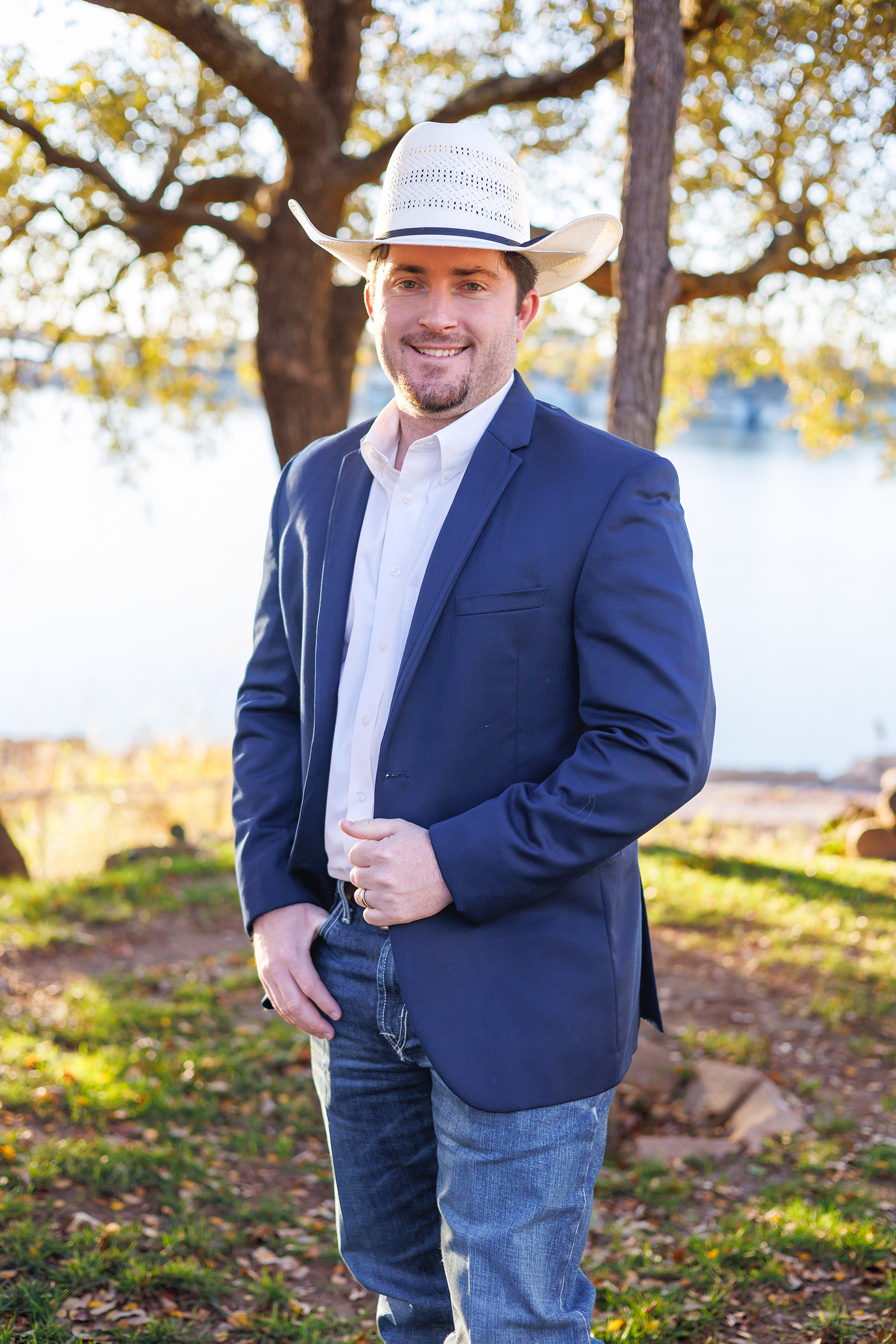
Stephen Hoelscher is a licensed Texas real estate agent (TREC #698225) sponsored by Western Heritage Realty & Investments LLC (TREC #9014915). This article is for educational purposes only and should not be considered legal, tax, or financial advice.
Questions about Texas land?
I'm here to help. Call or text anytime for a no-pressure conversation.
Call (325) 899-1403