McCulloch County Texas Ranch Real Estate: What Every Buyer and Seller Should Know About This Hidden Gem of the Hill Country Transition Zone
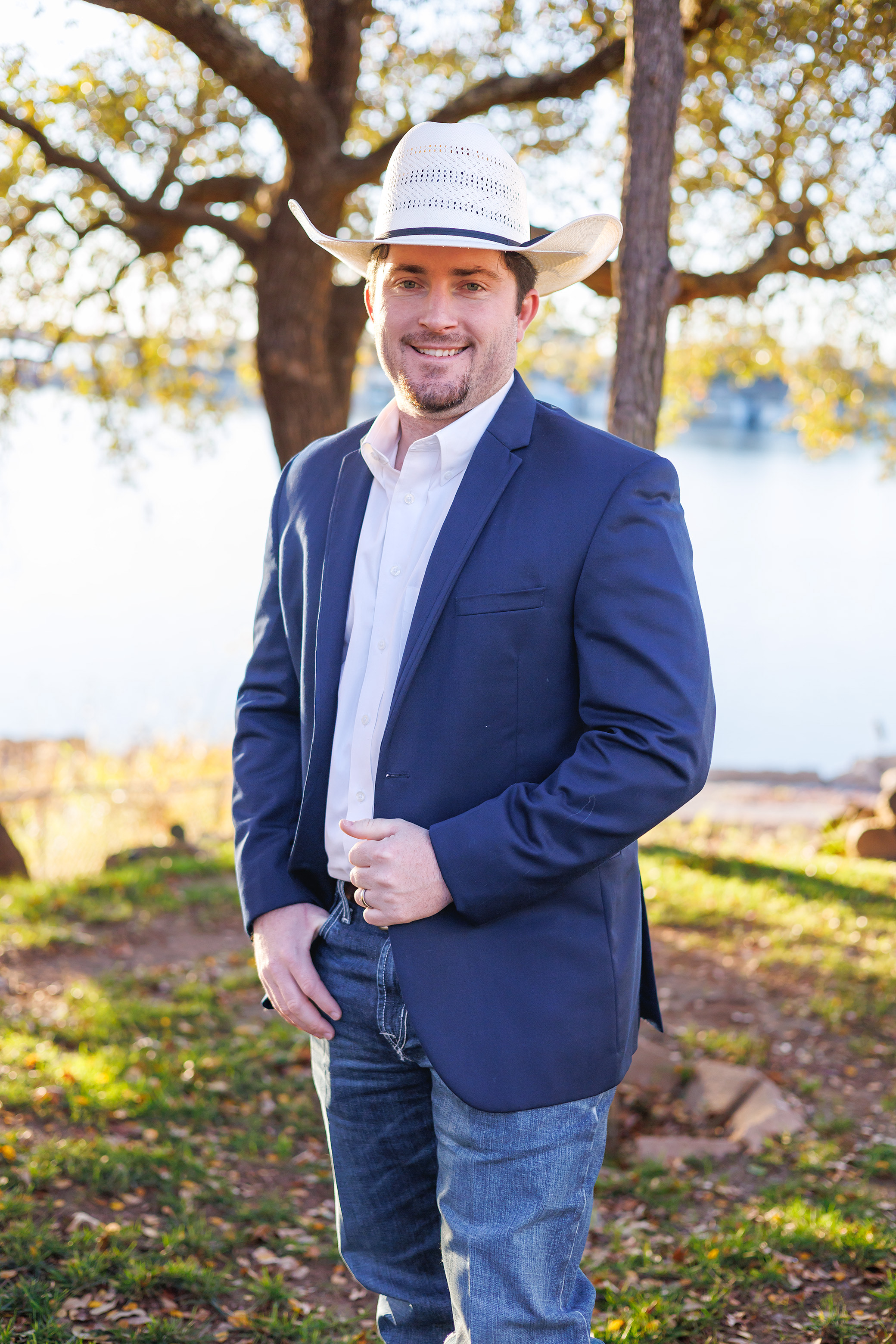
Hoelscher Ranch Group
Texas Land Specialist
This article is for general information only and is not legal, tax, or professional advice. Consult a licensed attorney, CPA, or other qualified professional for advice specific to your situation.
If you've been watching the Central Texas land market and wondering whether McCulloch County deserves a closer look, the answer is almost certainly yes. Tucked into the heart of the state between the Edwards Plateau and the Rolling Plains, McCulloch County represents one of the most versatile and underappreciated ranch real estate markets in the region. Whether you're a seasoned landowner considering a strategic acquisition, a buyer searching for your first piece of Texas ground, or a current property owner trying to understand what your land is worth in today's market, McCulloch County rewards careful attention and informed decision-making.
Brady, the county seat and self-proclaimed "Heart of Texas," sits almost precisely at the geographic center of the state, which tells you something important about the county's character. McCulloch County occupies a transitional zone where the limestone-influenced terrain of the Hill Country begins giving way to the sandy loams and rolling brush country of the Big Country. That transition creates a remarkably diverse landscape—and with it, diverse ranch real estate opportunities that don't fit neatly into any single category.
The soils across McCulloch County vary considerably, and understanding that variation matters enormously when evaluating a ranch purchase or preparing your own land for sale. The eastern portions of the county tend toward sandy loam soils with good permeability, well-suited to coastal bermudagrass production and improved pasture management. Move toward the western and southern areas and you'll encounter more calcareous clay loams over shallow limestone, classic Edwards Plateau-edge country where native grasses and browse plants dominate. The San Saba River and its tributaries cut through portions of the county, creating fertile bottomland soils that can support row crops, improved hay production, and excellent riparian wildlife habitat. A buyer who understands these distinctions can make a far more informed decision about carrying capacity, water management potential, and long-term productivity.
Rainfall in McCulloch County averages in the 22 to 26 inch per year range, placing it on the wetter side of the Central Texas spectrum compared to the more arid counties to the west. That rainfall average supports a productive mix of native and improved foraging opportunities, though anyone who has ranched this country knows that average is the word doing the heaviest lifting in that sentence. Drought years are part of life throughout the Big Country, and evaluating a ranch in McCulloch County means honestly assessing its water infrastructure—stock tanks, water wells, and access to surface water—alongside its carrying capacity under normal conditions. A well-watered ranch with multiple reliable water sources commands a meaningful premium in this market, and rightly so.
The native vegetation on McCulloch County ranch real estate reflects that transitional character. You'll find live oak mottes, shin oak, agarita, mesquite, prickly pear, and cedar throughout much of the county. Cedar encroachment, or Ashe juniper if you prefer the botanical name, is a reality on many properties and represents both a challenge and an opportunity. Landowners who have invested in cedar management—whether through mechanical clearing, prescribed fire, or a combination—typically see measurable improvements in grass production, water infiltration, and native foraging. Buyers should evaluate the degree of cedar encroachment on any property they're considering and factor realistic brush management costs into their overall acquisition analysis.
Wildlife habitat is one of McCulloch County's genuine strengths, and it plays an increasingly significant role in ranch real estate values throughout this part of Central Texas. White-tailed deer populations are strong in the county, and with thoughtful management—supplemental feeding, quality deer management practices, habitat work—properties can develop into exceptional hunting operations. Wild turkey, Rio Grande turkey specifically, are well-established throughout the live oak country of the county. Many ranches also support populations of feral hogs, which present a management challenge, and aoudad sheep can occasionally be found in the rougher terrain. For landowners pursuing a wildlife management valuation for property tax purposes, McCulloch County's existing wildlife populations provide a solid foundation. Converting agricultural land to a wildlife management valuation requires meeting specific Texas Parks and Wildlife criteria, and consulting with a qualified wildlife biologist alongside your tax advisor is the appropriate path before making that transition.
Speaking of property taxes, the agricultural exemption remains one of the most significant financial considerations for McCulloch County ranch real estate owners. Qualifying agricultural land is appraised based on its productive capacity rather than its market value, which can create a substantial difference in annual tax liability on larger acreage. Maintaining an ag exemption typically requires demonstrating that the land is being used for an agricultural purpose—cattle grazing, hay production, beekeeping, wildlife management, and similar activities—with a degree of intensity typical for the area. If you're acquiring a property that currently carries an ag valuation, it's worth understanding the specific basis for that valuation and whether your intended use will support continued qualification. For the actual details of your specific situation, a conversation with a qualified tax professional and the McCulloch County Appraisal District is the right starting point.
Water rights and mineral rights are two additional dimensions that every serious buyer of McCulloch County ranch real estate should examine carefully. Texas follows the rule of capture for groundwater, which means landowners generally own the water beneath their land but that ownership comes with complexities when aquifer-level management is involved. McCulloch County overlies portions of the Middle Trinity Aquifer, and understanding existing water wells, their yield and quality, and any applicable groundwater conservation district regulations is essential due diligence. Mineral rights in McCulloch County have historically attracted attention related to oil and gas production, and many properties are sold with minerals either retained by a prior owner or already severed from the surface estate. Whether minerals convey with a purchase, and what royalty interest if any accompanies a conveyance, can meaningfully affect a property's long-term value. A real estate attorney experienced in Texas property law should review these aspects of any transaction.
The McCulloch County ranch real estate market has demonstrated the same broad trends visible across most of rural Central Texas over the past several years—increased interest from buyers seeking recreational properties, wildlife management land, and operational ranches with legitimate agricultural income potential. Brady's central location, roughly equidistant from San Angelo, Abilene, and Llano, makes McCulloch County genuinely accessible to buyers from multiple metropolitan markets. That accessibility, combined with the county's diverse land character, continues to attract attention from buyers who might have previously focused entirely on the Hill Country proper but have found that market's prices increasingly out of reach.
For landowners in McCulloch County considering a sale, understanding how buyers are evaluating your property is genuinely useful information. Buyers today are sophisticated. They're asking about carrying capacity, water infrastructure, hunting quality, brush management history, and income potential. They're looking at aerial imagery before they ever set foot on the ground. Presenting your ranch in its best light means having honest, documentable answers to those questions—ideally supported by records of grazing management, water well logs, wildlife survey data if you have it, and any recent improvements. A buyer who can see the ranch's story clearly is a buyer who can make a confident decision, and confident buyers are far more likely to move forward on a transaction than uncertain ones.
For those on the buying side, the homework required to evaluate McCulloch County ranch real estate well is genuine but manageable. Learn the soils. Understand the water. Walk the fences. Study the brush. Talk to neighbors if you can. Ask pointed questions about why the seller is selling. And work with someone who knows this specific country—the differences between a productive sandy loam pasture near the San Saba River and a cedar-choked limestone bench aren't always obvious from a map or a single site visit, but they're the kinds of distinctions that make or break a ranch purchase over the long run.
McCulloch County sits at a genuinely interesting intersection of Central Texas land types, and that intersection creates real opportunity for buyers and sellers alike who approach the market with clear eyes and good information. The county's combination of productive agricultural soils, reliable-ish rainfall, strong wildlife populations, and genuine accessibility gives it characteristics that reward serious attention from anyone participating in the Central Texas ranch real estate market.
If you're thinking about buying or selling ranch real estate in McCulloch County or anywhere across the Central Texas Big Country—Coleman, Brown, Callahan, Concho, Runnels, or Taylor counties included—I'd welcome a straightforward conversation about what the market looks like and what factors matter most for your specific situation. Give me a call at 325-899-1403. No pressure, just honest information from someone who knows this land.
Questions about Texas land?
I'm here to help. Call or text anytime for a no-pressure conversation.
Call (325) 899-1403