McCulloch County Texas Hunting Land: What You Need to Know Before You Buy
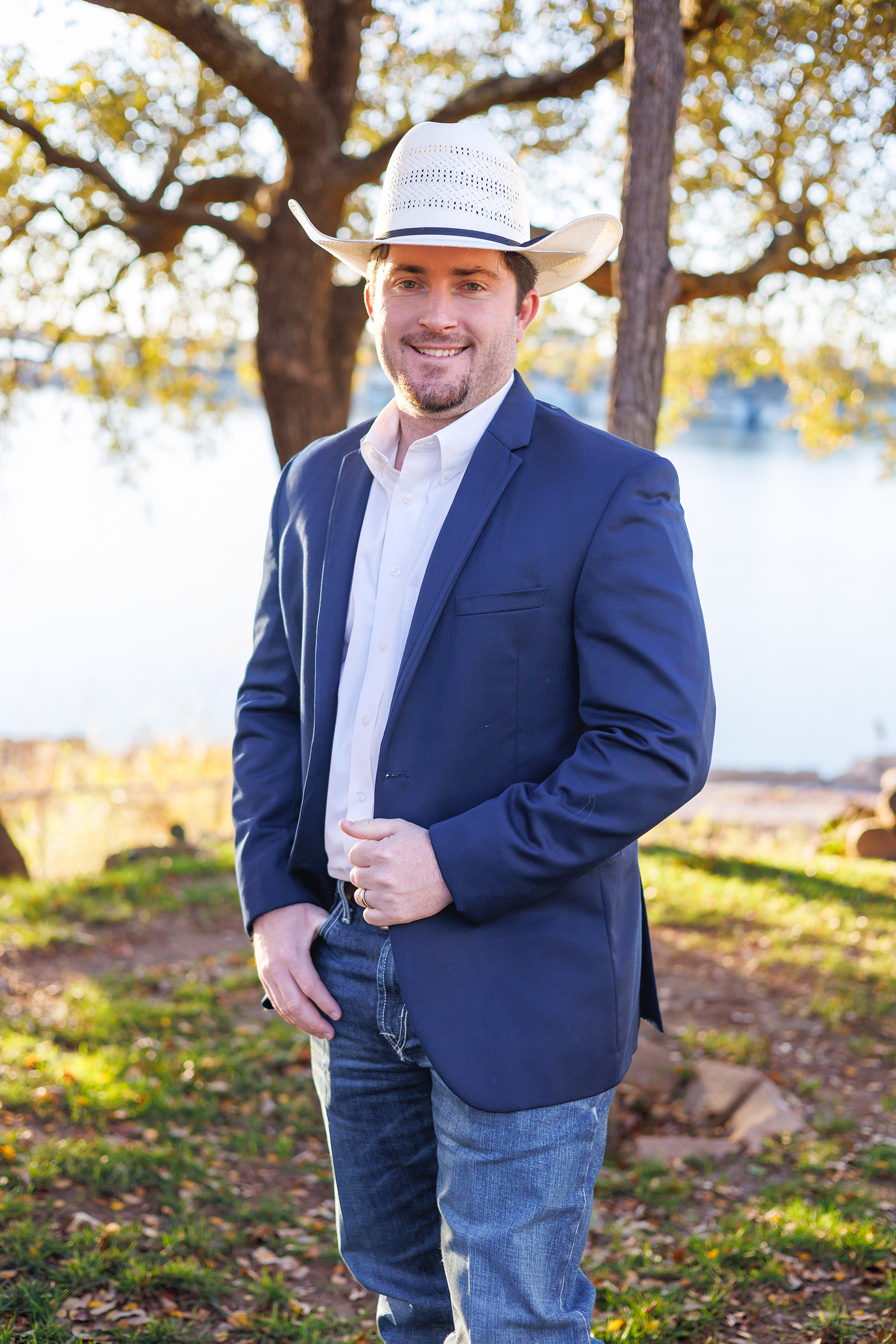
Hoelscher Ranch Group
Texas Land Specialist
This article is for general information only and is not legal, tax, or professional advice. Consult a licensed attorney, CPA, or other qualified professional for advice specific to your situation.
If you have ever dreamed of owning your own hunting land in Texas, McCulloch County deserves a serious look. This part of the state sits in the heart of the Edwards Plateau and Rolling Plains transition zone. That makes it one of the most productive wildlife areas in all of Texas.
McCulloch County is located in west-central Texas. Brady is the county seat and sits right in the middle of the county. Other small communities like Rochelle, Melvin, and Lohn are scattered throughout the area. The county covers a wide range of terrain, from cedar and live oak draws to open grasslands and creek bottoms. That variety is exactly what makes it so good for hunting.
White-tailed deer are the number one reason most people look at McCulloch County hunting land. The deer population here is strong. The county benefits from good native brush cover, improved pastures, and creek drainages that give deer food, water, and shelter throughout the year. Many landowners in the area have been managing their deer herds for years. That means some tracts come with an established wildlife management history already in place.
Turkey hunting is another big draw in McCulloch County. Rio Grande turkeys are found across the county in good numbers. The mix of open grassland and brushy timber that covers much of the landscape is ideal turkey habitat. Many buyers are surprised at how good the turkey hunting is when they start scouting these properties for the first time.
Hogs are present on most properties in McCulloch County. Some buyers see that as a bonus for extra hunting opportunity. Others see it as a challenge to manage. Either way, you need to know going in that feral hogs are part of life on most Texas hunting properties in this region. They can cause real damage to food plots and pastures if left unchecked.
Quail hunting has declined across much of Texas over the past few decades. McCulloch County still has some quail, and there are landowners working to improve habitat. Rolling Plains counties have traditionally supported quail better than the Edwards Plateau to the south. McCulloch County sits on that edge, so quail numbers can vary quite a bit from one property to the next.
Water is one of the most important things to look at when buying hunting land in McCulloch County. The San Saba River runs through the southern part of the county. Brady Creek and its tributaries cross much of the central and eastern portions. Properties with year-round water hold more wildlife. They also tend to attract more interest from buyers. A stock tank or two adds value to a tract for both livestock and wildlife purposes.
When you look at a McCulloch County hunting property, pay attention to the surface water situation and also ask about water wells. In this part of Texas, a good water well can make a property far more useful and enjoyable. If a property only has seasonal creek water and no well, that is something to factor into your thinking.
Minerals are a topic that comes up often in McCulloch County. The area has some oil and gas history. Many tracts in the county have had the mineral rights severed from the surface over the years. That means when you buy the land, you may not own the minerals underneath it. This is common across Texas, but it is especially important to understand before you sign a contract. If minerals matter to you, ask about them early. Consult a real estate attorney to fully understand what you are buying.
Ag exemption is something buyers ask about a lot. Properties with an existing agricultural or wildlife management exemption may qualify for lower property tax rates. The rules around exemptions are specific and can change. Talk to a CPA or tax professional to understand how a tax exemption might apply to a property you are considering. Do not assume a current exemption automatically transfers or stays in place after a sale.
Hunting leases are a way some landowners offset costs in McCulloch County. If you are buying a hunting property, you might wonder if you can lease the hunting rights to others when you are not using it. Many people do this across the region. The specifics of how to structure a lease and what it means for your property taxes or liability is a conversation to have with an attorney and a tax professional.
Tract sizes for hunting land in McCulloch County vary quite a bit. You can find smaller tracts in the 50 to 200 acre range that work well for a family deer camp. Larger tracts of 500 acres and above give you more room to manage a whole herd and keep pressure lower on specific areas. Your goals for the property should guide what size makes sense for you. A good land agent can help you think through what fits your situation.
Access is something to look at carefully on any McCulloch County tract. Some properties have county road frontage, which is straightforward. Others sit behind neighboring land and use a private easement for access. Make sure any easement is properly documented before you close. Again, an attorney can help you review access language to make sure everything is solid.
Fencing conditions vary across McCulloch County properties. Older fences are common. If game management is important to you, you may want to think about fencing upgrades over time. Low fences are standard in this area. High fences can give you more control over your deer herd but come with a significant cost and different set of regulations to be aware of.
McCulloch County is a great place to own hunting land. Brady and the surrounding communities give you access to groceries, restaurants, fuel, and basic services without being far from the property. The area has a strong agricultural heritage and a community that understands the outdoor lifestyle. People here take land ownership seriously and take care of what they own.
If you are serious about finding hunting land in McCulloch County, start by getting clear on your goals. Know how you want to use the land, what size you need, and what features matter most. Then work with a land specialist who knows the area and can help you find something that fits your needs.
If you have questions about land in McCulloch County, give me a call at 325-899-1403. I am always happy to talk.
Stephen Hoelscher is a licensed Texas real estate agent (TREC #698225) sponsored by Western Heritage Realty & Investments LLC (TREC #9014915). This article is for educational purposes only and should not be considered legal, tax, or financial advice.
Questions about Texas land?
I'm here to help. Call or text anytime for a no-pressure conversation.
Call (325) 899-1403