Managing Land From a Distance: What Every Absentee Landowner Should Know in Central Texas
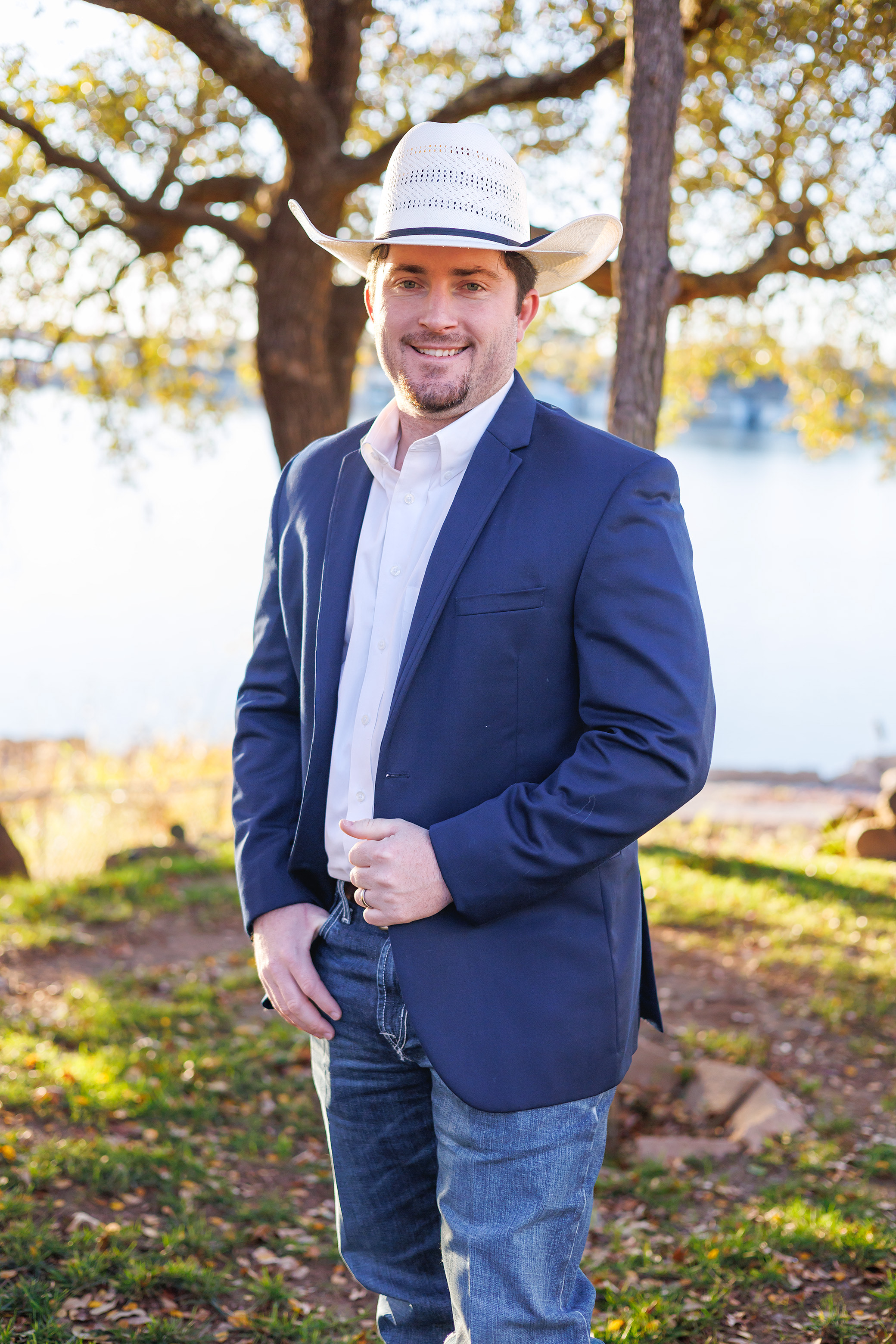
Hoelscher Ranch Group
Texas Land Specialist
This article is for general information only and is not legal, tax, or professional advice. Consult a licensed attorney, CPA, or other qualified professional for advice specific to your situation.
You bought the land with a vision. Maybe it was a family hunting retreat in McCulloch County, a cattle operation in Runnels County you planned to lease out, or a piece of Coleman County ground that felt like the right investment for the future. But life has a way of planting your daily routine somewhere far from your property line. If you're managing Texas land from another city—or another state—you're in good company, and you're also navigating one of the more complex challenges in rural land ownership.
Absentee landowner considerations in Texas carry real weight, and the Big Country region is no exception. The rolling cedar and mesquite terrain of Central Texas, with its 18 to 26 inches of annual rainfall and its mix of agricultural and recreational land uses, requires active, informed management to protect your investment and maintain its long-term value. The good news is that with the right systems in place, owning land from a distance is entirely workable. Here's what you need to understand.
The ag exemption question is often the first thing that catches absentee owners off guard. Texas doesn't have a formal agricultural exemption in the way many people describe it—what exists is an agricultural appraisal, also called a special-use valuation, that allows qualifying land to be assessed based on its productivity value rather than its market value. In counties like Brown, Callahan, and Taylor, where market values have climbed considerably in recent years, this distinction can represent a massive difference in your annual property tax bill. To maintain that agricultural appraisal, your land must demonstrate active, bona fide agricultural use. This means cattle grazing, hay production, crop farming, or qualifying wildlife management—and it must be documented and consistent. For an absentee owner who visits a few times a year, this is where arrangements with a local caretaker, tenant rancher, or hunting lease operator become critically important. If your property loses its ag appraisal and rolls back to market value, you could face not only higher taxes going forward but a rollback penalty covering up to five previous years. That's a significant financial consequence that active local oversight helps prevent. I always recommend working with a qualified tax professional or your county appraisal district to fully understand the specific requirements for your property.
Wildlife management is another pathway that many absentee owners in the Big Country have embraced successfully. Under the wildlife management valuation available in Texas, landowners can maintain their agricultural appraisal status by implementing qualifying wildlife practices rather than traditional livestock operations. This can be an ideal arrangement for someone who owns land in Concho or McCulloch County and wants to manage it as a white-tailed deer and wild turkey habitat rather than running cattle. However, wildlife management valuation requires a written management plan, annual reporting, and documented activities such as habitat improvement, census counts, supplemental water, and predator control. An absentee owner without local help executing and recording those activities will struggle to satisfy the requirements. Finding a qualified wildlife biologist or a trusted local manager who understands the specific habitat conditions on your property—the shin oak flats, the live oak draws, the native grass coverage—makes all the difference.
Water is the lifeblood of Central Texas land, and it deserves particular attention from owners who aren't on-site to notice problems before they become expensive ones. The region's average annual rainfall of 18 to 26 inches means years of drought are a regular reality, not an exception. Earthen stock tanks, which are common throughout Coleman, Runnels, and Concho County properties, require periodic maintenance—checking dam integrity after heavy rains, removing encroaching vegetation, and monitoring water levels during dry stretches. Windmills and water wells serving livestock or wildlife need routine mechanical checks. An absentee owner who hasn't visited since fall may arrive in spring to find a leaking pipe, a windmill with a broken sucker rod, or a stock tank that silted in over the winter. Establishing a relationship with a local handyman or ranch caretaker who can walk the property monthly and flag issues is one of the highest-return investments an absentee owner can make.
Fence maintenance is similarly underestimated. The cedar, mesquite, and prickly pear country that characterizes much of the Big Country is tough on fencing. Deer push through low spots, wild hogs root under bottom wires, and cedar posts eventually rot at the soil line. If you're leasing your land to a neighboring rancher for grazing—one of the most common arrangements for absentee owners in this part of Texas—fence condition is part of what determines whether that relationship works well for both parties. A good grazing lease specifies responsibilities clearly, including who handles fence repairs. If you're running a hunting lease instead, poor fencing can lead to boundary disputes with neighboring landowners, which no one wants to deal with from a distance.
Speaking of leases, they are among the most practical tools available to absentee landowners in Central Texas. A well-structured agricultural or hunting lease generates income that helps offset property taxes and maintenance costs while ensuring that someone with skin in the game is looking after the property regularly. Agricultural leases with neighboring cattle operators are common in Coleman, Brown, and Runnels counties, and they provide a natural incentive for the lessee to report problems—broken water gaps, trespassing, unusual activity—that the owner might never hear about otherwise. Hunting leases are equally common across the region given the quality of white-tailed deer, wild turkey, dove, and hog hunting available throughout the Big Country. The key is documentation: a written lease that specifies access, liability, land use restrictions, and the lessee's responsibilities protects both parties and reduces misunderstandings that tend to become contentious when the landowner is hundreds of miles away.
Mineral rights deserve mention because they affect a significant number of landowners across McCulloch, Concho, Runnels, and Coleman counties. If you own minerals on your property, or even if you don't, understanding what rights convey with your land and what activity might be occurring is important. Oil and gas leasing activity, if present, requires your attention even from a distance—reviewing lease terms, understanding surface use agreements, and being aware of what operators may or may not have access to do on your land. This is squarely the territory of a qualified oil and gas attorney, and any absentee landowner in the region should have a professional they trust who can help them evaluate lease proposals and understand their rights.
Insurance is another area where absentee owners sometimes fall short. A basic homeowner's policy may not adequately cover rural land, outbuildings, equipment, or the liability that comes with hunting or agricultural leases. Farm and ranch insurance policies are specifically designed for these properties, and the premiums are generally reasonable relative to the coverage they provide. If you have a camp house, a barn, or stored equipment on your Central Texas property, a conversation with an insurance agent who understands rural property is well worth your time.
Finally, consider the value of periodic professional eyes on your land beyond whatever local help you have in place. A land consultant or appraiser who specializes in rural Central Texas properties can provide an honest assessment of how your land is holding up, whether the current use is maximizing its potential, and what the current market looks like if you ever decide to sell or add acreage. The Big Country land market moves, and an absentee owner can lose track of where their property stands relative to comparable sales in Coleman, Brown, or Taylor County if they're not getting regular input from someone active in the local market.
Managing land from a distance in Central Texas is absolutely achievable. What separates landowners who do it successfully from those who struggle is honest acknowledgment of what the land actually requires—consistent agricultural or wildlife management, routine infrastructure maintenance, proper lease arrangements, and local relationships with people who can be your eyes and ears on the ground. The land itself doesn't know you're absent. Mesquite keeps spreading, tanks keep silting, and fence stays keep failing whether you're there or not. Building the right team and the right systems around your property is what keeps it productive, compliant, and positioned well for whatever you ultimately decide to do with it.
If you own land in Coleman, Brown, Callahan, Concho, McCulloch, Runnels, or Taylor County and you're navigating the challenges of absentee ownership—or if you're considering purchasing rural land in the Big Country and want to understand what managing it from a distance would actually involve—feel free to reach out for a no-obligation conversation. You can reach Stephen Hoelscher at 325-899-1403.
Questions about Texas land?
I'm here to help. Call or text anytime for a no-pressure conversation.
Call (325) 899-1403