Land Legacy Planning for Texas Families: Protecting Your Central Texas Property for Generations
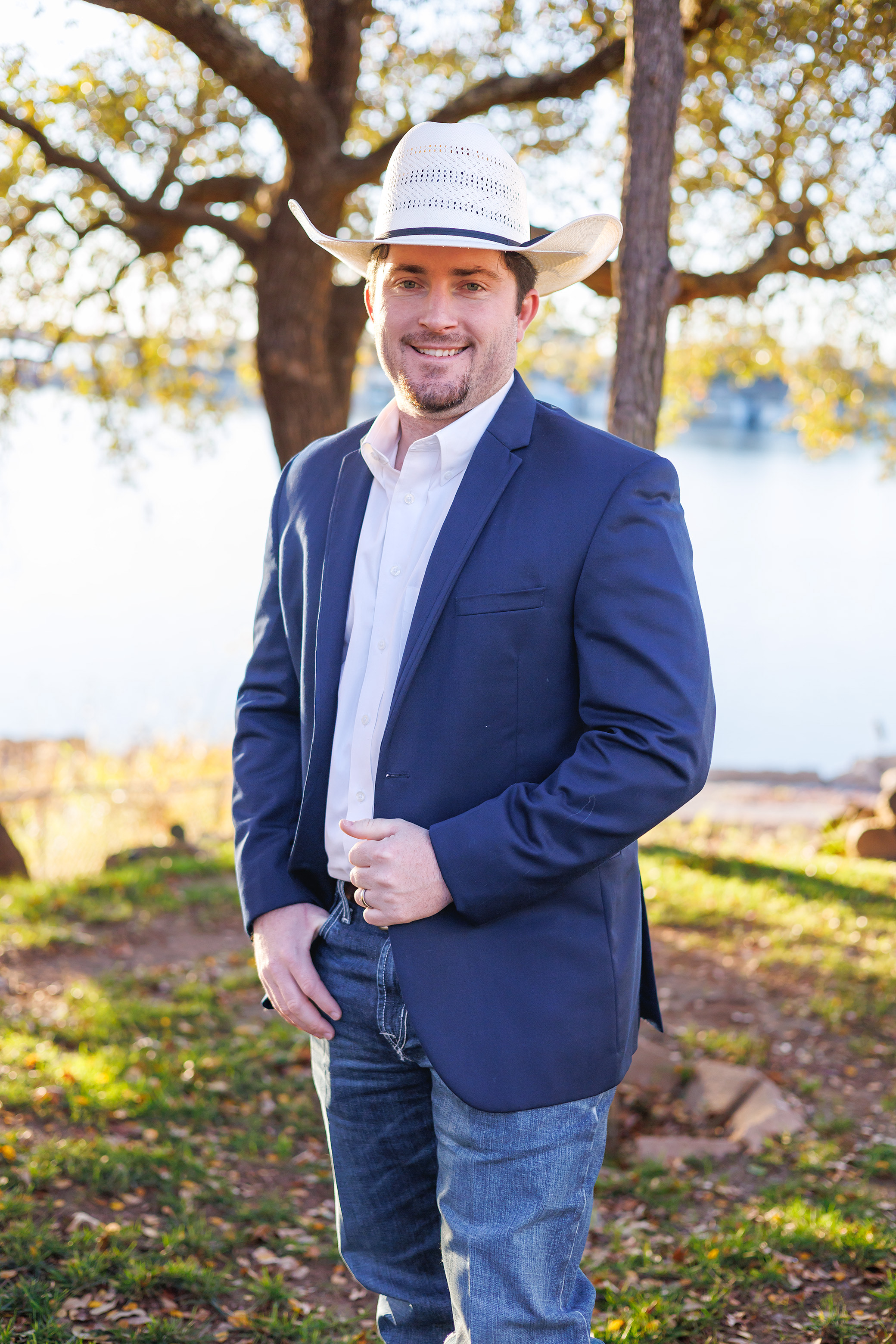
Hoelscher Ranch Group
Texas Land Specialist
This article is for general information only and is not legal, tax, or professional advice. Consult a licensed attorney, CPA, or other qualified professional for advice specific to your situation.
There's a particular kind of pride that comes with standing on land your family has worked for decades—watching a deer cross the creek bottom at dusk, running cattle on the same pastures your grandfather cleared, knowing that the soil beneath your boots tells a story that predates you and, with some careful thought, will outlast you. Across Coleman, Brown, Callahan, Concho, McCulloch, Runnels, and Taylor counties, multi-generational land ownership isn't just common—it's a defining part of how people here think about wealth, identity, and responsibility. But too many of those legacies quietly unravel, not because families stop caring, but because the planning that should have happened never did.
Land legacy planning is the process of intentionally preparing your Central Texas property to transfer smoothly to the next generation—or the right buyer—while preserving its agricultural productivity, its tax advantages, and as much of its value as possible. Done well, it keeps families unified around shared land rather than divided by it. Done poorly, or not at all, it can turn a priceless inheritance into a probate headache, a forced sale, or a years-long family dispute that no one wanted.
The first thing to understand is that land legacy planning is not simply writing a will, though a will is certainly part of it. It involves coordinating several moving pieces: the legal structure of ownership, the tax treatment of the property, the agricultural exemptions that protect current cash flow, any mineral rights attached to the land, water access, and the very human question of who in the family actually wants to take over—and who just thinks they do. All of those pieces interact with each other, and changing one can affect all the others. That's why any landowner serious about preserving a Central Texas farm or ranch should work closely with an estate planning attorney and a CPA experienced in agricultural properties alongside their land professional.
In our part of Texas, most productive land falls somewhere in the 18-to-26-inch annual rainfall band. That range shapes everything about how the land functions—from the mix of native grasses like little bluestem, sideoats grama, and buffalograss that support cattle and wildlife, to the mesquite and cedar encroachment that requires ongoing management, to the carrying capacity that determines whether a tract of Coleman County caliche draws its primary value from stocker cattle, hunting leases, or both. Understanding what your land is actually doing economically right now is foundational to any legacy plan. A ranch that looks like a sentimental asset on the surface may be generating meaningful annual income through a combination of cow-calf operations, white-tailed deer leases, and hay production—income that the next generation will need to understand and manage if they expect to hold the property long-term.
One of the most powerful tools in a Texas landowner's legacy planning toolkit is the agricultural exemption—more precisely, the 1-d-1 open-space appraisal. This provision allows qualifying agricultural land to be appraised at its productivity value rather than its market value, which in Central Texas can mean the difference between a tax bill of a few hundred dollars per year and one that runs into the thousands. Losing that exemption—even temporarily—can create a rollback tax liability stretching back five years, a painful surprise for heirs who didn't know it existed. Keeping an ag exemption active through a transfer requires planning. The new owners need to continue qualifying agricultural use, and in some transfer structures, particularly those involving trusts or LLCs, the mechanics of how that use is documented and verified deserve careful attention before the transfer happens rather than after.
Speaking of LLCs and trusts: these structures come up frequently in land legacy conversations, and for good reason. A family limited liability company, or FLLC, can consolidate ownership of a larger ranch among multiple family members while establishing clear rules about how decisions get made, how interests can be transferred, and how the land is managed. Done correctly with proper legal guidance, this structure can help keep a 3,000-acre McCulloch County ranch intact rather than watching it subdivided into fractional interests across a dozen grandchildren who have very different ideas about what to do with their share. A properly drafted operating agreement addresses the hard questions—what happens if one member wants to sell, how are management decisions approved, what happens to the land if a member divorces—before those questions become crises.
Mineral rights deserve their own chapter in any Central Texas legacy plan. Across Runnels, Concho, and McCulloch counties in particular, the subsurface rights attached to surface acreage can be among the most financially significant assets a family owns—or the most complicated to navigate if they've been severed from the surface over generations. Many landowners are surprised to discover they don't own the minerals beneath their pastures, or that they own only a fractional interest. Before planning around mineral rights as a legacy asset, it's worth getting a clear picture of what you actually own and what future production potential might look like, ideally with the guidance of an oil and gas attorney familiar with the region.
Water is the other asset that demands careful attention in any legacy plan for Central Texas land. Whether a property draws value from a stock tank, a productive water well, a live creek, or access to one of the region's rivers, water rights and water infrastructure are material to the long-term productivity and value of the land. Heirs who inherit a Brown County farm and promptly let the windmill fall into disrepair or allow a stock tank to silt in may not realize what they've lost until a drought cycle reveals it. Part of legacy planning is creating a transition document—sometimes called a land management plan—that gives incoming landowners a clear picture of the property's water sources, historical reliability, maintenance requirements, and any existing water rights or permits that need to be maintained.
Wildlife management is increasingly part of the legacy conversation as well. The Texas Hill Country's influence extends into several of our counties, and white-tailed deer populations in places like northern Concho County or southern McCulloch County can support meaningful lease income that contributes to the carrying costs of a larger ranch. Some families have also enrolled their properties in Wildlife Management Plans recognized by the Texas Parks and Wildlife Department, which allows the property to maintain an ag exemption through wildlife-related activities rather than traditional livestock production. This kind of arrangement takes years to establish properly—it doesn't happen overnight—which makes it the sort of investment in the land's future that benefits from being thought through well ahead of any transition in ownership.
The human dimension of land legacy planning is often the most complicated part. It's not uncommon for a Central Texas family to include one sibling who has spent thirty years on the land running cattle and considers it home, another who moved to Abilene or San Angelo twenty years ago and sees the ranch primarily as a financial asset, and a third who lives out of state and barely remembers visiting. Navigating those different relationships to the land requires honest conversations while the original owners are still alive and able to facilitate them. A family meeting that includes everyone's expectations—facilitated sometimes by an estate planning attorney or family advisor—is far less painful than the alternative: a probate proceeding where those same differences of opinion play out in court.
For families who ultimately decide that selling part or all of their Central Texas acreage makes more sense than transferring it, that decision also benefits from thoughtful advance planning. Timing a sale relative to tax events, structuring the transaction to qualify for installment sale treatment, understanding the current market dynamics across Taylor, Callahan, and Coleman counties—all of these factors affect what a family ultimately walks away with and whether the financial legacy matches the sentimental one.
The land here in the Big Country carries real weight. It connects people to their roots, provides productive agricultural use, supports wildlife, and represents decades of hard work. The families who preserve it successfully tend to share one thing: they started having serious conversations about the future before a crisis forced them to. Whether your concern is keeping a ranch in the family for another generation, protecting an ag exemption through a transition, untangling a complex mineral or water rights situation, or simply understanding what your land is worth as you begin to plan, the time to start is now—not after a probate filing or a family argument makes the decisions harder than they needed to be.
If you're thinking about the future of your Central Texas property and want to talk through what you're working with, reach out to Stephen Hoelscher at 325-899-1403. It's always a no-obligation conversation, and sometimes just having someone who knows this land and this region to think it through with makes the path forward a lot clearer.
Questions about Texas land?
I'm here to help. Call or text anytime for a no-pressure conversation.
Call (325) 899-1403