How to Sell Your Ranch in Central Texas: A Landowner's Guide to Getting It Right
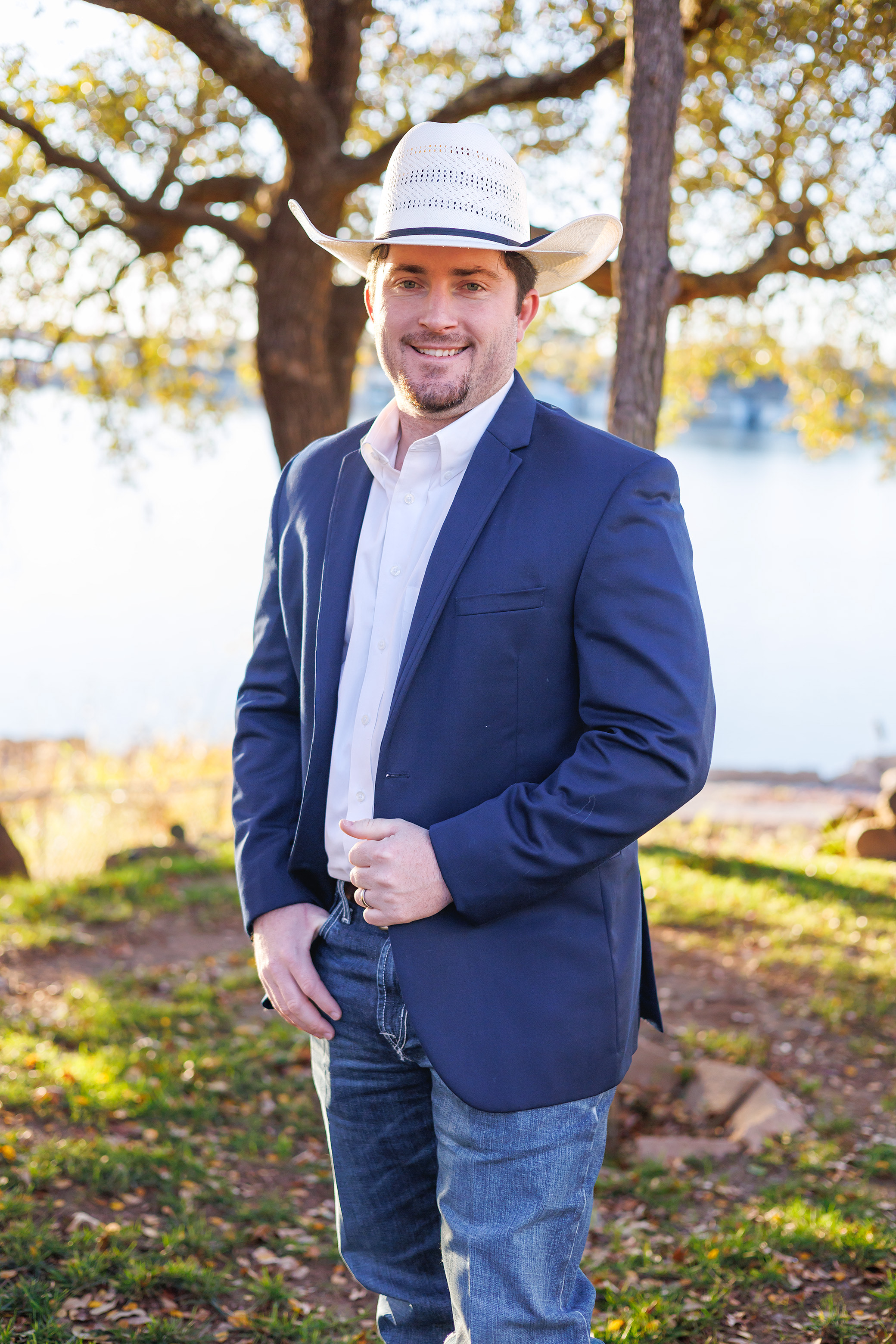
Hoelscher Ranch Group
Texas Land Specialist
This article is for general information only and is not legal, tax, or professional advice. Consult a licensed attorney, CPA, or other qualified professional for advice specific to your situation.
If you've spent years working the land in Coleman, Brown, Callahan, or any of the surrounding counties across the Big Country, selling your ranch is rarely just a financial transaction. It's the culmination of a lifetime of early mornings, fence repairs, drought years, good years, and everything in between. Getting the process right means more than simply putting a sign at the gate. It means understanding what your land is truly worth, who the right buyers are, and how to position your property in a market where savvy purchasers do their homework before they ever make an offer.
Central Texas ranch country is its own world. The properties across McCulloch, Concho, Runnels, and Taylor counties don't trade like suburban real estate, and they shouldn't be marketed that way. Buyers in this market are looking at carrying capacity, water availability, coastal and native grass coverage, and whether the land holds deer, turkey, or quail populations worth paying for. If you're preparing to sell your ranch in Central Texas, here's what you need to understand before you list.
Know What Your Land Is Actually WorthAccurate pricing is the foundation of a successful sale. Overprice a ranch and it sits on the market long enough to attract suspicion from serious buyers, who begin to wonder what's wrong with it. Underprice it and you leave real money on the table that you earned through years of stewardship.
Land valuation in the Big Country isn't a simple calculation. Price per acre varies considerably based on water resources, improvements, timber and brush cover, agricultural productivity, wildlife habitat quality, road access, and proximity to towns like Coleman, Brownwood, Abilene, Brady, or San Angelo. A 500-acre ranch in Callahan County with live water, improved pastures, and a functional set of working pens will command a different price per acre than a comparable-sized tract in Runnels County that's been in short-grass native pasture for forty years without any structural improvements.
A professional land appraisal or a comparative market analysis from a farm and ranch specialist can help you understand where your property falls within the current market. This isn't guesswork—it's grounded in recent comparable sales, and in Central Texas, those comps require someone who knows the difference between a dark clay soil native pasture on the western end of Brown County and a sandy loam improved pasture closer to the Colorado River corridor.
Understand What Buyers Are Paying ForCentral Texas ranch buyers in 2024 and beyond are increasingly motivated by multiple factors simultaneously. Many are looking for working cattle operations with ag tax exemptions intact, and they understand the value of maintaining that exemption status. Texas law allows land to be taxed at its agricultural productivity value rather than market value, and that difference can mean thousands of dollars per year in property tax savings. Buyers who understand this will pay a premium for a ranch that has a clean, well-documented ag exemption history.
Water is the other major driver of value across this region, where annual rainfall averages somewhere between 18 and 26 inches depending on which county you're in—generally drier as you move west into Concho and McCulloch counties, slightly more reliable as you approach the eastern edges of Brown and Callahan counties. Tanks and ponds, seasonal creeks, and live water like the Colorado River tributaries or Clear Creek drainages are all significant value factors. If your property has a water well with reliable yield, documented depth, and a submersible pump in working condition, those details matter to buyers and deserve to be prominently featured in your marketing materials.
Wildlife is increasingly a value driver across the entire region. White-tailed deer are abundant throughout Coleman, McCulloch, and Concho counties, and properties with established wildlife management practices—supplemental feeding programs, managed harvest, native browse and mast-producing species like live oak, shin oak, and Texas persimmon—often attract buyers who are just as interested in the hunting experience as the grazing capacity. Turkey and quail populations, where present, add additional appeal. If you've been managing your land with wildlife in mind, make sure you can document what you have.
Prepare the Property Before You ListThe condition of your improvements will influence both buyer perception and final sale price. That doesn't necessarily mean you need to invest in major renovations before selling, but it does mean that a buyer walking your property will be making mental notes about the condition of your perimeter fencing, the functionality of your water system, and the general cleanliness of your working facilities.
Deferred maintenance is one of the most common ways ranch sellers lose value. A buyer who finds two miles of deteriorating barbed wire fencing, a stock tank that's silted in to half its capacity, or a set of working pens where half the gates won't latch will either walk away or significantly reduce their offer to account for the work they're inheriting. Address what you can practically address before going to market. Clean up debris, service your water wells, make sure your perimeter fencing tells a story of a well-maintained property.
Documentation matters more than most sellers realize. Pull together your mineral rights records—know whether you own them, what's been leased, and what the current status is. Mineral rights in Central Texas counties are often severed from surface ownership, and buyers will ask. If your minerals are included in the sale, that's a selling point worth highlighting clearly. If they're severed, buyers need to know upfront so expectations are properly set from the beginning.
Market to the Right BuyersThe buyer for your Central Texas ranch isn't necessarily the person who drives past your front gate. The market for agricultural land in the Big Country draws buyers from across Texas and beyond—investors based in Dallas and Houston, farmers and ranchers expanding their operations, retirees looking for a legacy property, hunters seeking managed hunting ground, and families pursuing a rural lifestyle they didn't grow up with but have always wanted.
Reaching those buyers requires more than a listing on a local MLS. Professional aerial photography and drone footage, detailed property descriptions that speak to carrying capacity and water resources, targeted digital marketing, and a network of qualified buyer relationships are all part of what an experienced farm and ranch specialist brings to a listing. When a buyer from the Houston metropolitan area starts searching for Central Texas ranch land online, they need to find your property, be captivated by how it's presented, and feel confident enough in the information provided that they'll make the drive out to walk the land themselves.
Navigate the Transaction With the Right GuidanceOnce you attract a qualified buyer and enter into a contract, the complexity of a ranch transaction becomes apparent quickly. Unlike a residential sale, rural property transactions often involve mineral rights negotiations, fence line disputes, water right documentation, agricultural lease considerations, and surveys that need to accurately reflect the land being conveyed. These aren't obstacles—they're simply the nature of rural real estate—but they require professionals who understand them.
Work with a title company experienced in agricultural and rural transactions. Consult with a tax professional who understands like-kind exchange options, capital gains considerations, and the implications of selling appreciated agricultural land before you close. An attorney familiar with Texas rural property law can be a valuable resource during the contract review process. Your real estate agent should be a specialist in farm and ranch transactions, not someone who dabbles in rural properties between residential closings.
The Bottom Line for Central Texas Ranch SellersSelling your ranch in Central Texas is a significant undertaking, and the outcome depends largely on the preparation you do before the listing goes live, the accuracy of your pricing, and the quality of your marketing reach. The Big Country land market has its own rhythm—buyers are deliberate, they ask detailed questions, and they want to feel confident they're buying a property with genuine agricultural integrity and documented value drivers.
Whether you're selling a 200-acre cattle operation in Runnels County, a 1,000-acre hunting and grazing property in McCulloch County, or anything in between across Callahan, Coleman, Brown, Concho, or Taylor counties, understanding what buyers are looking for and presenting your land accordingly makes a real difference in both the final sale price and the time it takes to get there.
If you're thinking about selling your Central Texas ranch and want to have a straightforward conversation about what your land might be worth and how to approach the process, I'd welcome the chance to talk through it with you. Give me a call at 325-899-1403—no pressure, just a real conversation between someone who knows this land and someone who's lived on it.
Questions about Texas land?
I'm here to help. Call or text anytime for a no-pressure conversation.
Call (325) 899-1403