How to Find a Land Buyer in Texas: A Central Texas Landowner's Guide to Selling Rural Property
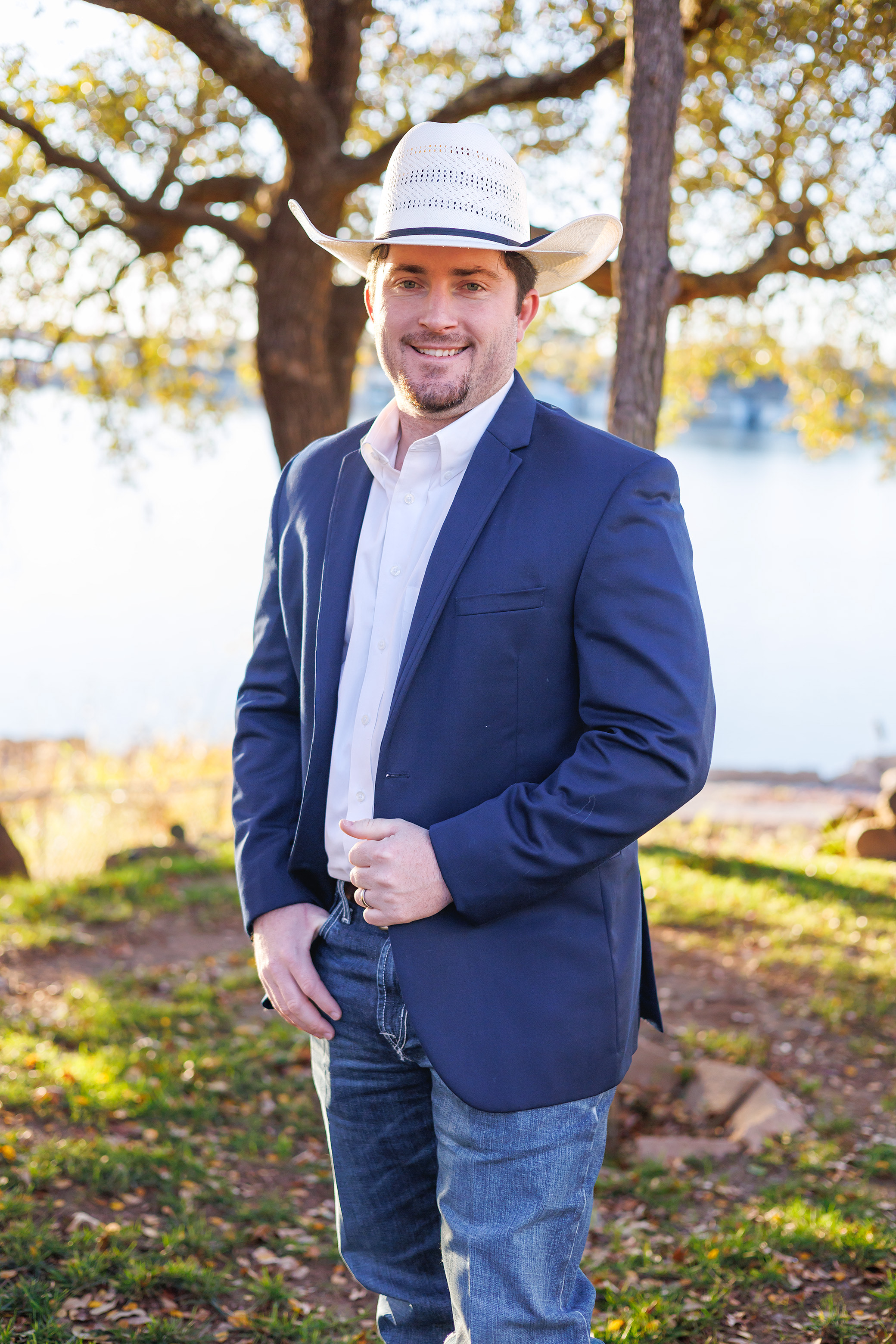
Hoelscher Ranch Group
Texas Land Specialist
This article is for general information only and is not legal, tax, or professional advice. Consult a licensed attorney, CPA, or other qualified professional for advice specific to your situation.
If you've been holding land in Coleman, Brown, Callahan, or any of the surrounding Central Texas counties for years, you may have reached a point where selling makes sense. Maybe the kids aren't interested in farming it. Maybe the property taxes have crept up, or you're looking to consolidate your estate. Whatever the reason, finding the right land buyer in Texas isn't as simple as putting up a sign at the gate and waiting for someone to call. Rural acreage in the Big Country is a specialized asset, and it deserves a specialized approach.
The good news is that demand for rural land across Central Texas has remained strong, driven by buyers ranging from neighboring ranchers looking to expand their operations to out-of-state investors seeking recreational and agricultural ground. The challenge is connecting with the right buyer—the one who understands what your particular piece of ground is worth and is prepared to pay a fair price for it. Understanding how that process works is the first step toward a successful sale.
Start with a realistic picture of what you're selling. Central Texas land is diverse, even within a single county. A 640-acre tract in McCulloch County with native coastal bermuda pastures, a seasonal creek, and a history of white-tailed deer and turkey hunting is a fundamentally different product than a 200-acre dry-land farming parcel in Runnels County, even if the asking prices happen to overlap. Buyers in this region come with specific goals—running stocker cattle, farming cotton or sorghum, chasing whitetail and wild hogs, or simply owning a piece of Texas they can leave to their children. When you can articulate what your land does well, you dramatically improve your chances of finding the buyer who will value it most.
Soil type and water availability are among the top factors buyers examine in this part of the state. Much of Coleman and Brown County sits on Callahan Divide soils—clay loams and sandy loams that support native grasses like sideoats grama, little bluestem, and buffalograss when properly managed. Concho and McCulloch counties trend toward the Edwards Plateau, featuring shallow, rocky soils over limestone that favor deer habitat and goat or sheep operations. Buyers who know land understand these distinctions, and presenting your property with accurate soil surveys and grazing history gives them the information they need to make a confident decision.
Water is always a conversation in a region that averages 18 to 26 inches of rainfall annually. Central Texas doesn't get the reliable moisture of East Texas or the Hill Country spring systems, so buyers want to know about stock tanks, water wells, creek frontage, and the condition of surface water infrastructure. If your property has a good producing water well or a reliable stock tank that holds water through the dry summers, those are genuine selling points worth documenting. If you don't know the well's current depth or production rate, having it tested before you go to market can save significant headaches during the contract process.
One of the most powerful tools for finding a serious land buyer in Texas is making sure your property is listed where land buyers actually search. This means more than a listing on a generic real estate website. Dedicated land listing platforms attract buyers who are specifically looking for rural acreage, and they often allow detailed descriptions of agricultural features, wildlife populations, and land improvements that a residential-focused platform simply can't accommodate. Buyers searching for hunting land in Concho County or cattle ground in Callahan County are using land-specific search tools, and your property needs to show up there.
Mineral rights are another factor that can significantly affect buyer interest. Much of the Central Texas Big Country overlaps with oil and gas activity, and buyers—especially investors—will want to know whether minerals convey with the surface. If you own your minerals and they'll transfer in the sale, that broadens your buyer pool and adds value. If minerals have been severed from the surface, a knowledgeable buyer will still want to understand existing lease terms, royalty interests, and production activity before making an offer. Being upfront about the mineral situation from the start prevents surprises and helps attract buyers who are comfortable with whatever the mineral picture looks like.
Agricultural exemptions are one of the most important tax considerations in Central Texas land transactions. Most rural properties in this region carry an ag exemption that keeps property taxes manageable compared to what they'd be at full market appraisal. Buyers are keenly aware of this and will want to understand what agricultural activity currently qualifies the land for its exemption—whether that's livestock grazing, hay production, wildlife management, or something else. As a seller, being able to document the current ag activity and confirm the exemption status reassures buyers that the low tax burden they're counting on will be maintainable after the sale.
Wildlife management is increasingly driving buyer decisions in this part of Texas. White-tailed deer, turkey, quail, and wild hogs are all present across Coleman, Brown, McCulloch, and the surrounding counties, and buyers who want a recreational component to their purchase will pay a meaningful premium for land that's been managed with hunting in mind. If you've been running a wildlife management program—whether that's food plots, brush management to create edge cover, or a managed harvest program—that history adds genuine value and is worth communicating clearly. Even basic habitat improvements like leaving native brush corridors intact or maintaining quail coverts can differentiate your property from neighboring tracts that have been overgrazed or cleared.
Now, about actually reaching buyers. Word of mouth within the agricultural community still matters in rural Texas. Neighboring landowners, local feed stores, farm bureaus, and cattlemen's associations are places where serious buyers and sellers connect. If you're thinking about selling, being quietly open about it in the right circles can surface buyers who might never see a formal listing. That said, relying entirely on local word of mouth means you're only reaching a fraction of the potential buyer pool—and potentially leaving significant money on the table.
Working with a land specialist who focuses specifically on rural and agricultural property in your region gives you access to a different category of buyer. A qualified farm and ranch agent maintains relationships with active land buyers, investor groups, and out-of-state purchasers who are actively looking for Central Texas ground. These buyers don't always show up on your doorstep through a Zillow search. They're working with agents they trust, waiting for the right opportunity to come across their desk. Getting in front of that audience requires being connected to the networks where land changes hands.
Professional marketing materials matter more than many sellers expect. High-quality aerial photography—especially drone footage—allows a buyer to understand the topography, timber cover, water features, and improvements on a property without making a trip to see it. In a market where serious buyers may be evaluating multiple properties in multiple counties simultaneously, a property that's easy to evaluate remotely earns more serious attention faster. Detailed maps showing soil types, fencing, water locations, and hunting areas help buyers do their due diligence, and sellers who provide that information up front tend to see stronger, faster offers.
Pricing is where many sellers either succeed or struggle. The Central Texas land market has its own rhythm, and value per acre varies considerably based on county, improvements, water, minerals, and intended use. What a Coleman County recreational ranch commands per acre is different from what irrigated farmland in Runnels County brings. Pricing too high relative to comparable sales means sitting on the market while buyers gravitate to better-priced alternatives. Pricing too low means leaving real money behind. A thorough comparative market analysis using actual closed transactions—not list prices or online estimates—gives you an honest benchmark and the confidence to price your property competitively.
Finally, be prepared for the transaction process itself. Rural land sales in Texas involve title work that examines the chain of title for both surface and mineral rights, survey requirements, and sometimes lender-required appraisals if the buyer is financing through an agricultural lender like Farm Credit or a local community bank. These institutions understand rural property and are active in Central Texas, but their underwriting requirements can differ meaningfully from a conventional residential loan. Understanding that timeline and preparing for it—having your deed, survey, and ag exemption documentation organized—keeps the process moving smoothly and reinforces buyer confidence.
Selling land in Central Texas is a significant decision, and finding the right buyer requires more than luck. It takes accurate property knowledge, strategic marketing, and the right connections in the rural land marketplace. Whether you're thinking about selling a family ranch in McCulloch County, a farming operation in Runnels County, or a recreational tract in Brown County, the approach you take to finding a buyer will shape both the outcome and the experience.
If you're a landowner in the Big Country region and you'd like to talk through what your property might be worth or how to approach finding the right buyer, I'd be glad to have that conversation. Give me a call at 325-899-1403—no obligation, just a straight talk about your land and your options.
Questions about Texas land?
I'm here to help. Call or text anytime for a no-pressure conversation.
Call (325) 899-1403