Farm and Ranch Financing in Texas: What Central Texas Land Buyers Need to Know
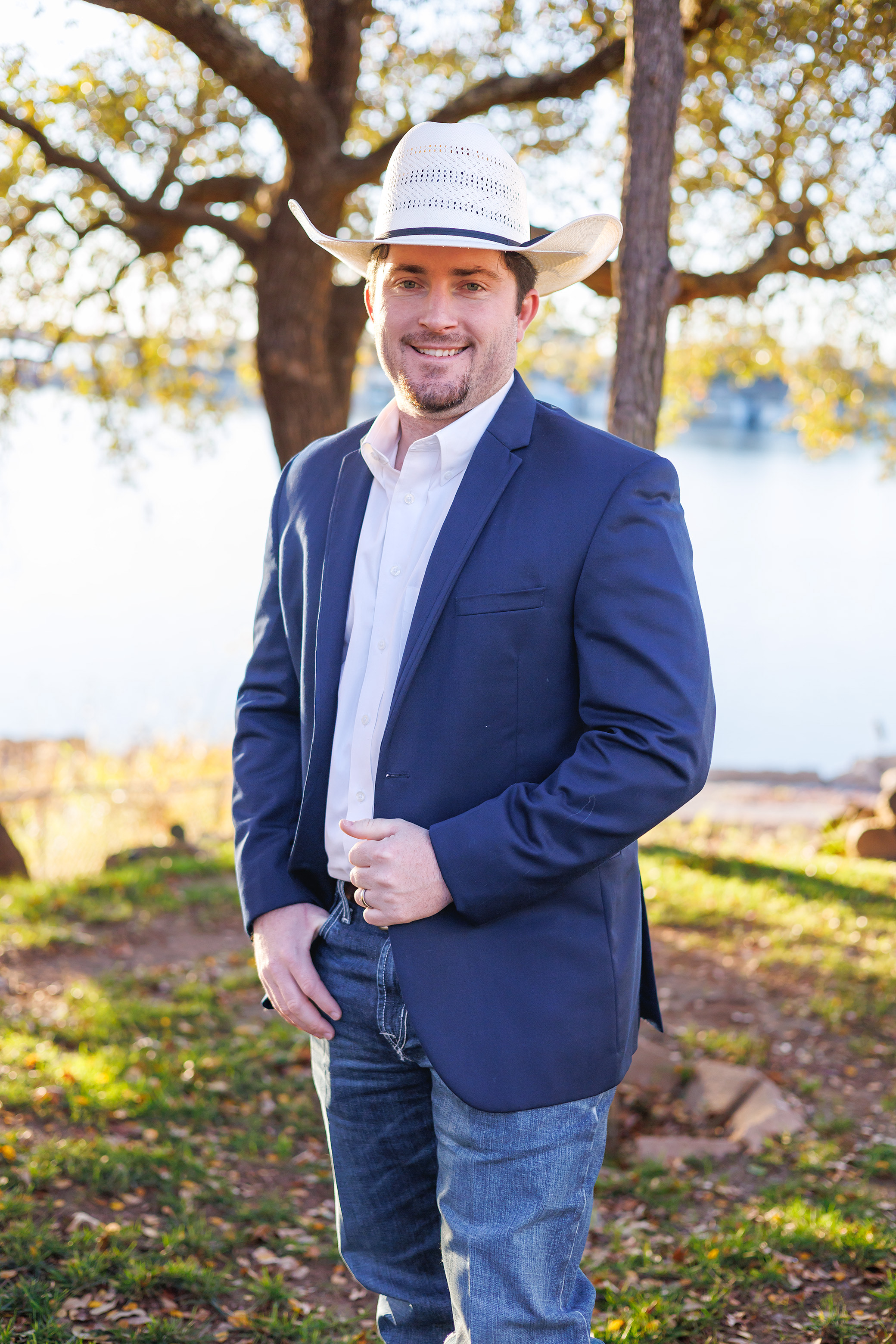
Hoelscher Ranch Group
Texas Land Specialist
This article is for general information only and is not legal, tax, or professional advice. Consult a licensed attorney, CPA, or other qualified professional for advice specific to your situation.
Finding the right piece of ground in Coleman, Brown, Callahan, or any of the surrounding counties is only half the challenge. The other half is understanding how farm and ranch financing in Texas actually works—because it operates very differently from the home mortgage process most buyers are familiar with. If you've ever felt confused walking into a lender's office with a piece of rural Texas land in mind, you're not alone. The good news is that once you understand the landscape of agricultural lending, you're in a much stronger position to move decisively when the right property comes available.
Rural land in the Big Country region of Central Texas doesn't fit neatly into conventional mortgage boxes, and lenders know it. A 400-acre ranch in McCulloch County with a combination of native pasture, live oak brush, and a seasonal creek is an entirely different asset than a subdivision home. Lenders who specialize in agricultural real estate understand that land value here is driven by grazing capacity, water availability, deer and turkey populations, soil productivity, and mineral ownership—not just square footage and comparable sales in a neighborhood. This is precisely why the choice of lender matters as much as the terms of the loan itself.
The Farm Credit System is the starting point for most serious farm and ranch buyers in Texas. Institutions like Capital Farm Credit and AgTexas Farm Credit have deep roots in Central Texas and understand the specific realities of agricultural land in counties like Runnels, Concho, and Callahan. Unlike a regional bank that might evaluate your application using an algorithm designed for residential property, these lenders employ loan officers who know what a productive stand of bluestem grass means to carrying capacity, or why a good caliche road and reliable stock tanks matter to overall property value. They regularly finance everything from small weekend ranches to large-scale cattle operations, and their loan products are specifically structured for agricultural land.
One of the most important things to understand about farm and ranch financing in Texas is the loan-to-value ratios involved. Most agricultural lenders will finance somewhere between 65 and 80 percent of the appraised value of rural land, which means buyers in our area should plan to bring a meaningful down payment to the table. On a $1.2 million ranch in Coleman County, that could mean a down payment ranging from $240,000 to $420,000 depending on the lender and the specific property. This is a significant difference from residential financing, and it's one of the primary reasons buyers benefit from working with a land specialist early in the process—so they can get a realistic picture of what they'll need before falling in love with a property.
Loan terms for agricultural real estate in Texas are generally available in both fixed and variable rate structures, with terms ranging from 10 to 30 years. Many farm credit lenders also offer interest-only periods during the early years of the loan, which can be advantageous for buyers who are developing a grazing program, improving fencing, or building out water infrastructure before the property is at full productive capacity. Understanding the structure of your financing from the beginning can make a meaningful difference in your cash flow during those critical first years of ownership.
Texas commercial banks with strong agricultural divisions are another viable option, particularly for buyers who have an existing banking relationship or who are financing properties that combine agricultural land with improvements like homes, barns, or working facilities. In cities like Abilene in Taylor County, or in the smaller banking centers throughout Brown, McCulloch, and Runnels counties, you'll find community banks staffed by people who grew up around agriculture and understand the nuances of rural property in this specific region. These lenders can sometimes offer more flexibility in structuring loans when there are complex situations involved—such as properties with existing agricultural leases, owner financing components, or partial mineral interest conveyances.
Speaking of minerals, this is a factor in farm and ranch financing that catches a surprising number of buyers off-guard. In many parts of Coleman, Runnels, and McCulloch counties, mineral rights may or may not convey with the surface estate. When they do convey, some agricultural lenders will factor existing production or proven reserves into their overall assessment of the property, which can influence the appraisal and ultimately the loan terms. When minerals are severed from the surface—as is commonly the case throughout much of the Permian Basin and its periphery—lenders focus exclusively on the surface value. Buyers should consult with a qualified attorney about mineral title before closing on any Central Texas ranch, and it's worth having a candid conversation with your lender early about how minerals will be treated in the appraisal process.
Ag exemptions are another dimension of farm and ranch financing that deserve careful attention. Texas law allows land that is actively used for agricultural purposes—including row cropping, livestock grazing, hay production, beekeeping, or qualified wildlife management—to be appraised for property tax purposes based on its agricultural productivity value rather than its market value. This can represent an enormous difference in annual tax liability. On a 600-acre ranch in Brown County that might carry a market value of $1.8 million, the difference between market-based and ag-appraised taxes could easily be $15,000 to $20,000 or more per year. Lenders who understand this distinction can help buyers accurately project their ongoing carrying costs, and buyers who are purchasing land that has lost its ag exemption should budget carefully for the period required to requalify, which is generally a minimum of five years of documented agricultural use. Again, specific guidance on ag exemptions and tax implications is best handled by a licensed tax professional familiar with Texas agricultural law.
Water is perhaps the single most important factor affecting both property value and financing in Central Texas. The Big Country averages somewhere between 18 and 26 inches of annual rainfall depending on the county and the specific year—Callahan and Taylor counties trend closer to the higher end while Concho and McCulloch can run drier. This makes reliable water infrastructure critically important. Properties with multiple live water sources, dependable stock tanks, and functioning water wells simply carry differently in the lending environment than properties that are entirely dependent on seasonal precipitation. When you're going through the financing process, expect appraisers to pay close attention to water availability, and be prepared to provide documentation on well yields, tank acreage, and any surface water rights associated with the property.
For buyers considering the purchase of land that needs significant improvement—brush management, fencing, water development, or building construction—there are loan products worth understanding beyond the basic land purchase loan. The USDA Farm Service Agency offers a variety of direct and guaranteed loan programs that can be particularly valuable for beginning farmers and ranchers, or for operations that don't yet qualify for conventional agricultural financing. The USDA Natural Resources Conservation Service also administers programs like EQIP, the Environmental Quality Incentives Program, which can provide cost-share assistance for conservation practices including prescribed burning, brush management, and water facility improvements. These programs don't replace traditional financing, but they can meaningfully reduce the capital requirements for buyers who are committed to responsible land stewardship.
One final consideration that experienced land buyers and sellers in Central Texas often overlook is the role of the seller in the financing structure. Owner financing, while less common on large transactions, does occur in this region—particularly when a family is transitioning agricultural land across generations or when a long-time rancher is selling to a trusted neighbor. Owner-financed terms can offer flexibility that institutional lenders cannot, and they can sometimes be structured in ways that provide tax benefits to the seller. If you're a buyer who might benefit from a more creative structure, or if you're a landowner considering how to structure a sale, it's worth having a conversation with both a real estate attorney and a CPA before ruling out or insisting on any particular financing arrangement.
Farm and ranch financing in Texas is genuinely a specialized field, and navigating it well requires a team—a knowledgeable lender with agricultural experience, a land-focused real estate agent who understands how deals are structured in this specific region, an attorney for title and contract work, and a tax professional for the ag exemption and ownership structure questions. Getting all of those pieces aligned before you make an offer puts you in a fundamentally different position than buyers who are trying to figure it out as they go.
If you have questions about how financing typically works on properties in Coleman, Brown, Callahan, Concho, McCulloch, Runnels, or Taylor counties—or if you just want to talk through what a realistic purchase looks like for your situation—feel free to call me at 325-899-1403. I'm happy to have that conversation and point you toward the right resources.
Questions about Texas land?
I'm here to help. Call or text anytime for a no-pressure conversation.
Call (325) 899-1403