Concho County Texas Ranches for Sale: What You Need to Know Before You Buy
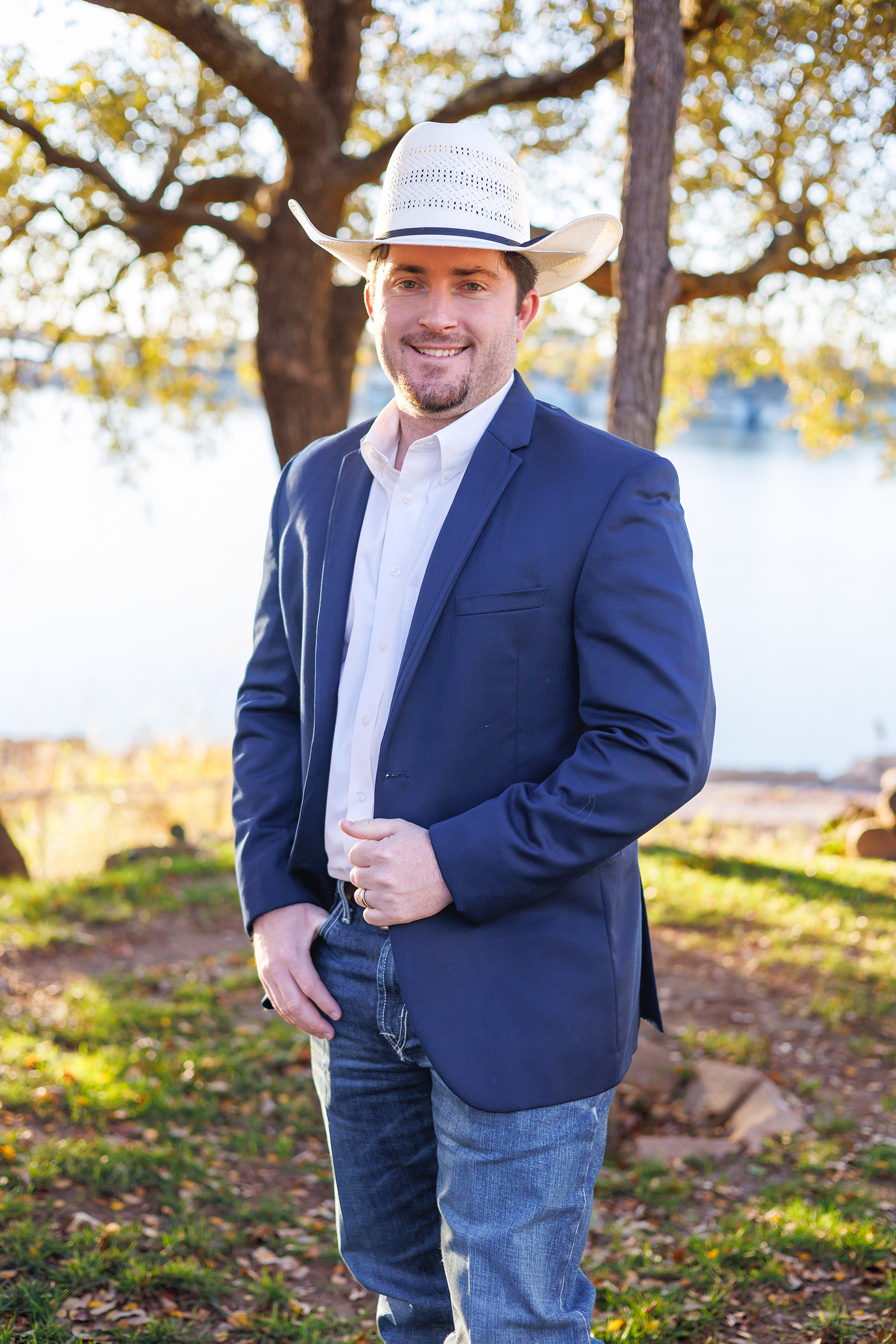
Hoelscher Ranch Group
Texas Land Specialist
This article is for general information only and is not legal, tax, or professional advice. Consult a licensed attorney, CPA, or other qualified professional for advice specific to your situation.
Are you thinking about buying a ranch in Concho County, Texas? You are not alone. This part of the state draws buyers who want wide open space, good grass, and a quieter way of life. If that sounds like you, this article will help you understand what makes Concho County special and what to look for when shopping for land here.
Concho County sits in the heart of the Texas Hill Country transition zone. It is located southwest of Abilene and north of the Edwards Plateau. Paint Rock is the county seat, and Eden is the other main town in the area. These are small, quiet communities surrounded by working ranches and cedar-covered hills. The land here feels honest and real. It is not fancy, but it is productive and beautiful in its own way.
The terrain in Concho County is mostly rolling to gently rugged. You will find a mix of native grasses, mesquite, cedar, and live oak. The Concho River runs through part of the county, and that water influence makes certain tracts especially attractive. Land along or near the river tends to have better grass and more wildlife. If you find a property with live water in Concho County, pay close attention to it. Water is one of the most valuable things you can have on a Texas ranch.
Most ranches in Concho County are used for cattle grazing and wildlife management. The county has a strong tradition of cow-calf operations. The native grasses, when managed well, can carry a decent number of animal units depending on rainfall. Rainfall here averages around 20 to 24 inches per year, which is enough to support ranching if you manage your stocking rates carefully. Buyers coming from wetter parts of the state sometimes overestimate how many cattle a West Texas property can support. Talking to a local ranch manager or county extension agent is a smart first step before you make any assumptions about carrying capacity.
Wildlife is another big reason people buy in Concho County. White-tailed deer are common here. The deer tend to be good quality because the habitat has plenty of browse and cover. Many landowners in Concho County participate in the Texas Parks and Wildlife Managed Lands Deer Program, which allows for extended hunting seasons. Quail populations have fluctuated over the years, as they have across much of Texas, but habitat improvements can bring them back. Some buyers are drawn here specifically because of the hunting opportunity, and that is completely understandable.
Mineral rights are something you must think about before buying any ranch in Concho County. This part of Texas has seen oil and gas activity over the years. In some cases, sellers still own their minerals and will convey them with the surface. In other cases, the minerals were severed from the surface a long time ago. You should always ask about mineral ownership before you get too far into a deal. Consult a real estate attorney to understand exactly what is being transferred and what your rights would be as a new landowner.
Property taxes are another subject worth understanding. Many ranches in Concho County qualify for an agricultural valuation, which can significantly reduce the tax burden compared to market value taxation. Maintaining this ag exemption requires that the land be used for an approved agricultural purpose. If you plan to change the use of the land after buying, talk to a CPA or tax professional to understand what that might mean for your taxes. I can tell you from experience that losing an ag exemption can be a surprise some buyers are not prepared for.
Water wells and stock tanks are the lifeblood of most Concho County ranches. Because the county is not heavily irrigated farmland, most properties rely on groundwater wells and surface water collection. When you look at a ranch, ask about the well depth, the pump output, and how many stock tanks are on the property. Find out when the well was last serviced and whether there is a backup water source. Running out of water on a ranch is a serious problem, especially during a dry summer.
Fencing is another practical thing to look at. Good perimeter fencing is expensive to build and maintain. When you tour a property in Concho County, walk some of the fence lines if you can. Pay attention to the condition of the posts, the wire, and the corners. Cross fencing matters too, because it allows you to rotate grazing pastures and manage your land better. Poor fencing can add significant cost after closing that you might not have budgeted for.
Access is something buyers sometimes overlook. Make sure the property has legal, deeded access from a public road. Some tracts in rural areas rely on easements across neighboring land, and those arrangements can be complicated. Consult a real estate attorney to review the title and confirm your access rights before you close.
The ranch market in Concho County includes properties of all sizes. You can find smaller tracts of a few hundred acres that work well for personal use or hunting. You can also find larger working ranches in the thousands of acres. Prices vary depending on the quality of the land, improvements, water, and mineral rights. There is no one-size-fits-all answer on what a Concho County ranch should cost. The best way to understand value is to look at recent comparable sales with the help of a knowledgeable land agent.
If you are serious about buying in Concho County, here is a simple piece of advice. Spend time on the land before you make an offer. Drive the county roads. Visit Paint Rock and Eden. Talk to people who live and work there. Get a feel for the area. The best buyers I have worked with are the ones who do their homework before they write a check.
Buying a ranch in Concho County can be one of the best decisions you ever make. It is a place where the land still has real character and the pace of life slows down in a good way. But like any major purchase, it takes careful thought, good information, and the right team of professionals around you.
If you have questions about land in Concho County, give me a call at 325-899-1403. I am always happy to talk.
Stephen Hoelscher is a licensed Texas real estate agent (TREC #698225) sponsored by Western Heritage Realty & Investments LLC (TREC #9014915). This article is for educational purposes only and should not be considered legal, tax, or financial advice.
Questions about Texas land?
I'm here to help. Call or text anytime for a no-pressure conversation.
Call (325) 899-1403