Callahan County Texas Ag Exemptions: What Landowners Need to Know
Hoelscher Ranch Group
Texas Land Specialist
This article is for general information only and is not legal, tax, or professional advice. Consult a licensed attorney, CPA, or other qualified professional for advice specific to your situation.
If you own land in Callahan County, you have probably heard the term "ag exemption" come up in conversation. Maybe you are buying a piece of ground near Baird or Cross Plains and someone mentions it. Maybe you already own land and you are not sure if yours qualifies. Either way, understanding how ag exemptions work can make a big difference in how much you pay in property taxes each year.
Let me break this down in plain language.
First, the term "ag exemption" is actually a little misleading. It is not a true exemption in the traditional sense. What it really means is that your land is appraised based on its productive value rather than its market value. The Callahan County Appraisal District looks at what the land can produce agriculturally. That number is almost always much lower than what the land would sell for on the open market. Lower appraised value means lower property taxes. That is the benefit most landowners are after.
This type of valuation is called a 1-d-1 appraisal, named after the section of the Texas Tax Code that allows it. It is available to landowners across Texas, including those in Callahan County, as long as the land is being used for qualifying agricultural purposes.
So what counts as qualifying use in Callahan County? The land must be used primarily for agriculture. That includes growing crops, grazing cattle or other livestock, hay production, and in some cases wildlife management. The use must be real and ongoing. You cannot simply put a few cows on a pasture once a year and expect it to qualify. The Callahan County Appraisal District looks at whether the land is being used in a way that is typical for the area and whether that use is the primary purpose of the land.
Callahan County has a strong agricultural history. Much of the county is used for cattle ranching and dryland farming. Towns like Baird, the county seat, and smaller communities like Clyde, Putnam, Oplin, and Moran sit in the middle of country that has been farmed and ranched for generations. The land in Callahan County is well suited to these types of uses, which is why many properties in the area already carry an ag valuation.
The degree of intensity matters too. The appraisal district wants to see that you are using the land at a level that is typical for Callahan County agriculture. For example, if your neighbors are running one cow per 15 to 20 acres on similar land, that is generally the benchmark the district will look at. Running far below that level may raise questions about whether the land truly qualifies.
How long do you have to use the land before it qualifies? In most cases, the land must have been in agricultural use for at least five of the past seven years. If you are buying land in Callahan County that already has an ag valuation in place, that history transfers with the land. That is one reason many buyers look carefully at whether a property has an existing ag valuation. It saves time and paperwork. If you let the valuation lapse by stopping agricultural use, you may have to reapply and wait out that five-year period again.
There is also something called a rollback tax to be aware of. If land that has been receiving an ag valuation changes to a non-agricultural use, the previous owner or the new owner may owe back taxes. The rollback goes back five years and includes interest. This can add up to a significant amount of money depending on the size of the tract and how long it held the ag valuation. Always ask about the ag status of any Callahan County property you are considering purchasing, and talk to a CPA or tax professional before making decisions about land use changes.
Wildlife management is another way some Callahan County landowners maintain their ag valuation. If your land already qualifies for ag valuation based on agricultural use, you may be able to transition to a wildlife management plan instead. This requires a detailed plan that meets state guidelines for things like habitat control, predator management, providing supplemental water, and census counts. It is a good option for landowners who want to focus on deer, turkey, or other native species while keeping the tax benefit intact. If you are considering this route, it is worth talking to a wildlife biologist and your county appraisal district before making the switch.
To apply for an ag valuation in Callahan County, you will need to contact the Callahan County Appraisal District. They are located in Baird and can walk you through the application process. You will typically need to provide documentation of your agricultural activities. That might include purchase records for livestock, grazing leases, receipts for hay sales, or other records that show the land is being actively used for agriculture. The more documentation you have, the smoother the process tends to go.
One thing I want to be clear about: I am a real estate agent, not a tax professional. The information in this article is meant to help you understand the basics of how ag valuations work in Callahan County. For advice specific to your situation, please consult a CPA or tax professional. If you have legal questions about how a land use change or rollback tax might affect you, consult a real estate attorney.
Ag valuations are one of the most important factors affecting the cost of owning rural land in Callahan County. Whether you are ranching near Clyde, farming ground outside of Baird, or managing a small hunting property in the eastern part of the county, understanding how this valuation works puts you in a better position as a landowner. It is worth taking the time to learn the rules and make sure your property qualifies.
If you have questions about land in Callahan County, give me a call at 325-899-1403. I am always happy to talk.
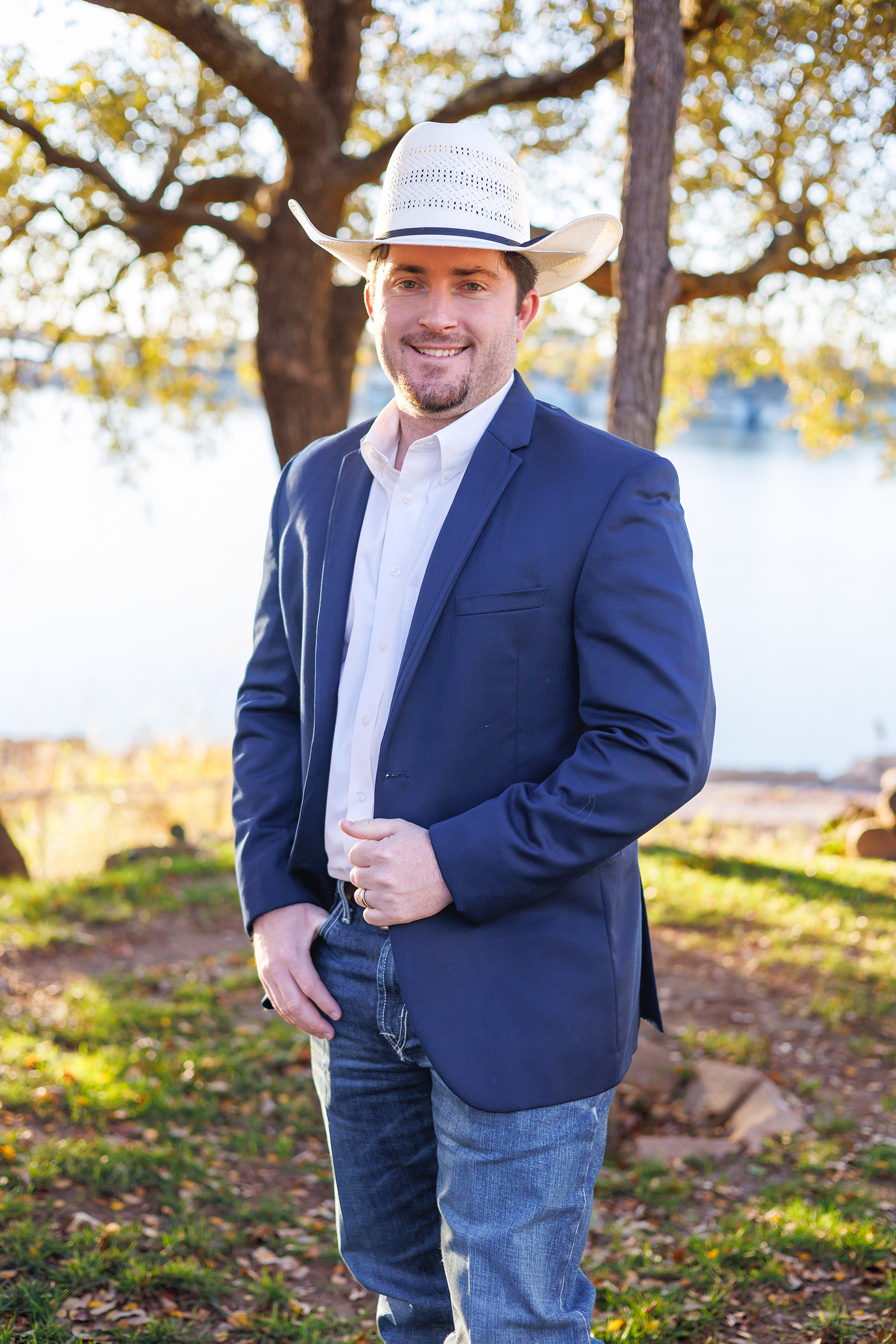
Stephen Hoelscher is a licensed Texas real estate agent (TREC #698225) sponsored by Western Heritage Realty & Investments LLC (TREC #9014915). This article is for educational purposes only and should not be considered legal, tax, or financial advice.
Questions about Texas land?
I'm here to help. Call or text anytime for a no-pressure conversation.
Call (325) 899-1403