Buying Land in McCulloch County Texas: What You Need to Know Before You Start
Hoelscher Ranch Group
Texas Land Specialist
This article is for general information only and is not legal, tax, or professional advice. Consult a licensed attorney, CPA, or other qualified professional for advice specific to your situation.
If you have been thinking about buying land in McCulloch County, you are not alone. More and more people are looking at this part of Texas. The rolling hills, open pastures, and quiet way of life make it a place worth considering. But buying rural land is different from buying a house in town. There are things you need to understand before you write a check or sign a contract.
McCulloch County sits in the heart of Texas. Brady is the county seat and the largest town in the area. You will also find small communities like Lohn, Rochelle, and Voca scattered across the county. Brady sits right in the geographic center of Texas, which makes McCulloch County easy to reach from most parts of the state. That central location is one reason people from the cities have started looking here more often.
The land in McCulloch County is used for cattle ranching, hay production, hunting, and farming. The terrain is a mix of open pasture and cedar and live oak brush. The Llano River and San Saba River both have roots in this region, and Brady Creek runs through parts of the county. Water is always an important topic when you buy rural land, and McCulloch County is no exception.
When you look at land in McCulloch County, one of the first things to think about is water. You want to know if the property has a water well, a stock pond, or access to a creek or river. Not every piece of land will have all of these things. A good water well can make a big difference in how useful the land is for ranching or personal use. Make sure you find out the depth of any well on the property and get information on the water quality if possible.
Mineral rights are another big topic in McCulloch County and across Texas. In many cases, the minerals have already been severed from the surface. That means the person selling you the land may not own what is below the ground. Oil, gas, and other minerals can be owned separately from the land itself. Before you buy, ask your agent and a real estate attorney to help you understand what minerals, if any, come with the property. Consulting an attorney on this topic is the right move.
Agricultural exemptions are common on McCulloch County land. An ag exemption is a special tax status that allows land used for farming or ranching to be taxed at a lower rate. If the land you are buying already has an ag exemption in place, that can be helpful. If it does not, you may be able to qualify for one depending on how you plan to use the property. Talk to a CPA or tax professional to understand what that means for your specific situation. I am not a tax advisor, and the rules can get complicated.
Wildlife is plentiful in McCulloch County. Whitetail deer, wild turkey, feral hogs, and mourning dove are all common across the county. Many buyers are interested in the hunting opportunities that come with rural land. If you plan to use the property for hunting, pay attention to the terrain, the water sources, and the type of brush and vegetation on the land. These factors have a big impact on wildlife activity.
Fencing is something a lot of buyers overlook. In McCulloch County, many properties have older fencing that may need repair or replacement. Good fencing matters if you plan to run cattle or keep other livestock. Walk the fence lines before you make an offer. Find out who is responsible for which fence lines. This is sometimes spelled out in deeds or can be part of negotiations. Your real estate agent can help you think through these details.
Road access is also worth checking carefully. Some parcels in McCulloch County sit off county roads or private roads. You want to be sure the land has legal access, not just practical access. There is a difference between driving across a neighbor's land to get to your property and having a legal easement that gives you the right to do so. A real estate attorney can review the deed and title to help you understand what kind of access you have.
Buying land in McCulloch County also means thinking about what utilities are available. Electricity is available in most areas through local co-ops, but it may not always be close to the property line. Some remote tracts may require you to pay to extend power lines to your location. Cell service can be spotty in rural parts of the county, so keep that in mind if you plan to spend a lot of time on the property.
If you plan to build on the land, you will want to look into the soil conditions and any county rules that might affect construction. McCulloch County does not have a traditional zoning system like a city would, but there are still things to understand before you build. Septic system requirements, setbacks, and floodplain considerations can all come into play. Talk to the county and to a knowledgeable local contractor before you finalize your plans.
Working with a land specialist who knows McCulloch County can make a real difference. General real estate agents do a good job with homes in town. But rural land has its own set of issues, and you want someone who has experience with agricultural properties, water rights, mineral rights, hunting land, and the other details that come with buying outside of town. Ask your agent the right questions and make sure they know the county.
McCulloch County is a special place. It has a strong agricultural heritage, wide open spaces, and good people. Brady has all the basics you need, from grocery stores and hardware stores to schools and medical care. The county is close enough to San Angelo, Abilene, and Austin to be accessible, but far enough out to feel like the real Texas that a lot of people are searching for.
If you take your time, ask the right questions, and work with the right people, buying land in McCulloch County can be a solid decision. Just go in with your eyes open and do your homework.
If you have questions about land in McCulloch County, give me a call at 325-899-1403. I am always happy to talk.
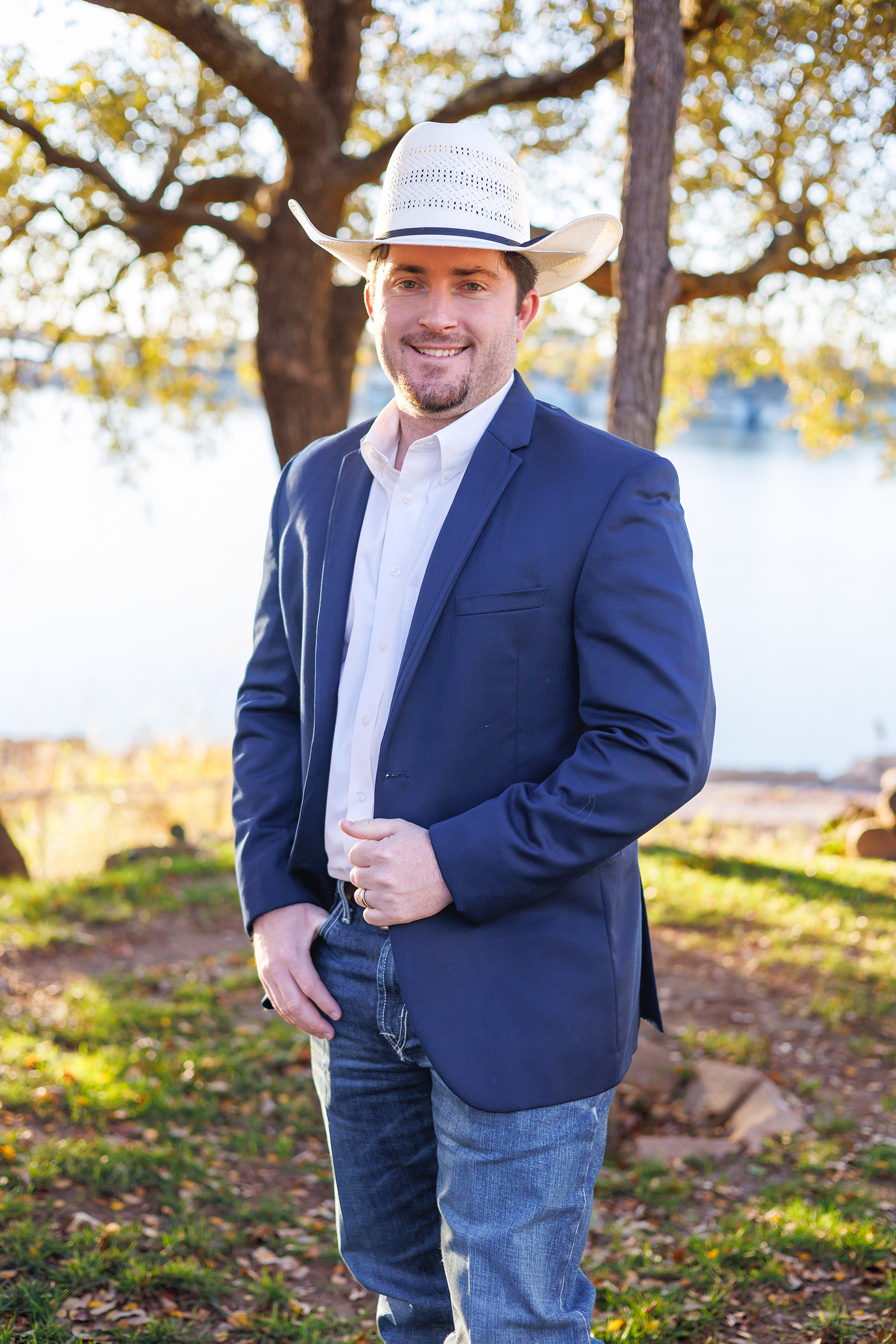
Stephen Hoelscher is a licensed Texas real estate agent (TREC #698225) sponsored by Western Heritage Realty & Investments LLC (TREC #9014915). This article is for educational purposes only and should not be considered legal, tax, or financial advice.
Questions about Texas land?
I'm here to help. Call or text anytime for a no-pressure conversation.
Call (325) 899-1403