A Complete Guide to Buying Rural Land in Texas — What Every Buyer Should Know Before Investing in Central Texas Property
Hoelscher Ranch Group
Texas Land Specialist
This article is for general information only and is not legal, tax, or professional advice. Consult a licensed attorney, CPA, or other qualified professional for advice specific to your situation.
If you've been thinking about buying rural land in Texas, there's a good chance that vision includes wide-open skies, native grasses swaying in a dry south wind, and a piece of ground you can call your own. Central Texas — and the Big Country region in particular — offers some of the most compelling rural land opportunities in the state. But acquiring rural property is a fundamentally different process than buying a house in town, and the decisions you make early in that process can shape everything that follows. Whether you're purchasing your first hunting tract in McCulloch County or adding acreage to an existing ranch operation in Coleman County, understanding the landscape — literally and figuratively — is the foundation of a sound land purchase.
The first thing experienced land buyers understand is that in Central Texas, no two pieces of ground are exactly alike. The region spanning Coleman, Brown, Callahan, Concho, McCulloch, Runnels, and Taylor counties sits in a transitional zone where the Edwards Plateau meets the Rolling Plains, which means soil types, vegetation, and water availability can shift dramatically from one county to the next — sometimes within the same property. Brown County tends to carry heavier clay soils and more reliable moisture in its eastern reaches, while Concho and McCulloch counties often present lighter, sandier soils with deeper subsoil that can drain quickly. Callahan and Taylor counties frequently feature caliche hardpan that affects both agricultural productivity and water retention. Before you make an offer on any property, understanding what kind of ground you're actually buying is essential.
Rainfall across this region averages between 18 and 26 inches annually, though that number masks significant year-to-year variability. Anyone who spent time in the Big Country during the 2011 drought understands that the land can be tested hard. That variability should inform how you evaluate a property. What does the native vegetation look like — is it showing stress, or does the land hold moisture reasonably well? Are the tanks and ponds holding water, and were they excavated in suitable clay-based soils? These are questions an experienced land professional can help you evaluate, but they're also things you can observe on a thorough walk of the property before you commit.
Speaking of native vegetation, the brush and grass composition of a Central Texas property tells a story about its management history. Well-managed pastures in this region typically carry a mix of native grasses — sideoats grama, buffalograss, little bluestem, and King Ranch bluestem in improved pastures — alongside manageable brush species. What you don't want to see is a property overtaken by heavy cedar (Ashe juniper), mesquite, or prickly pear that has been left unchecked for years. Brush encroachment reduces forage production, competes aggressively for soil moisture, and can represent a significant remediation cost. When you're evaluating land in Coleman or Runnels County, for example, it's worth factoring in the cost of cedar and mesquite control if the property hasn't been actively managed. That said, a brush-encumbered property can also represent an opportunity — if the price reflects the work required, and if the underlying soils and water support a good outcome after management.
Wildlife is both a joy and a practical consideration when buying rural land in Texas. The Big Country region supports healthy populations of whitetail deer, wild turkey, feral hogs, and dove. In Concho and McCulloch counties, you'll encounter Hill Country-style wildlife habitat that can support excellent deer hunting with proper management. Wildlife management is also an important factor in your property tax strategy. In Texas, land can qualify for agricultural exemption status — which dramatically reduces the taxable value of the property — through traditional ag use like cattle grazing or hay production, but also through a wildlife management exemption. To qualify for wildlife management use, a property must first be transitioning from an existing ag exemption, and the landowner must actively implement approved management practices such as habitat enhancement, supplemental feeding, census counts, or predator management. This can be an excellent fit for smaller tracts that don't carry enough livestock to justify a traditional ag exemption. Always consult with a qualified tax professional or your county's Central Appraisal District to understand the specific requirements and timing involved.
Water is arguably the most critical asset on any rural property in Central Texas, and it deserves thorough evaluation before you close on any land. Surface water in the form of stock tanks and ponds is common throughout the region, but their reliability varies based on watershed size, soil type, and dam condition. Subsurface water — meaning water wells — is where things get more complex. The Hickory Aquifer serves portions of McCulloch, San Saba, and Mason counties and is a reliable source, though well depths can be substantial. In other parts of the region, you may be relying on shallower local aquifers that can be more sensitive to drought conditions. If a property has an existing well, request pump test records and water quality testing as part of your due diligence. If it doesn't have a well, get an estimate on drilling before you finalize your purchase price, because water well costs in this part of Texas can range from modest to significant depending on depth and rock conditions. Riparian water — creeks and rivers — adds recreational and ecological value to a property but should not be mistaken for a dependable stock water source, particularly in dry years.
Mineral rights are another layer of complexity that every buyer of rural land in Texas should understand. The state's long history of oil and gas production means that mineral rights have frequently been severed from surface ownership, sometimes generations ago. Before you purchase any property, a thorough title search should reveal whether the minerals convey with the surface. If they don't, you'll want to understand the depth and scope of any existing oil and gas leases, and what surface use agreements govern how operators can access the property. In McCulloch, Coleman, and Runnels counties especially, the presence of oil and gas activity is not uncommon. Even a property with severed minerals can be a perfectly sound purchase — many landowners own surface-only properties for decades with no issues — but you want to make that decision with full knowledge of what you're acquiring.
Access is another factor that buyers sometimes underestimate. A beautiful 500-acre property in Concho County doesn't serve you well if getting to it requires navigating poorly maintained county roads or crossing a neighbor's land without a documented easement. Confirm that any property you're considering has legal access — ideally via a recorded easement or direct county road frontage — and evaluate the condition of that access year-round, not just in dry summer conditions. Creek crossings and low-water crossings can become problematic after significant rainfall.
For buyers purchasing land with the intention of running cattle, it's worth working with an experienced ranch professional to evaluate the carrying capacity of the land. In this region, stocking rates generally range from one animal unit per 15 to 30 acres depending on rainfall, soil quality, and pasture management. Overstocked land that hasn't had time to recover can look deceptively similar to well-managed land early in the buying process. Look for soil compaction around water sources, bare ground between grass plants, and the condition of fence lines and cross-fencing, which can tell you a great deal about how a property has been managed.
The process of buying rural land in Texas also involves some practical considerations that differ from residential transactions. Financing for raw land and ranch property typically requires a larger down payment than residential loans — often 20 to 35 percent — and loan terms may differ. Farm Credit institutions and local agricultural lenders like AgTexas Farm Credit are well-suited to rural land transactions and understand the unique nature of this type of collateral. A land survey is often worth the investment even if one exists, particularly on older properties where fence lines may not match legal descriptions. Title insurance is equally important and should be standard in any rural land transaction.
Buying rural land in Central Texas represents a genuinely meaningful investment — not just financially, but in a way of life that connects you to the land, to a community, and to a long tradition of stewardship in the Big Country. Done thoughtfully and with the right guidance, a well-chosen property in Coleman, Brown, McCulloch, or any of the surrounding counties can serve a family for generations.
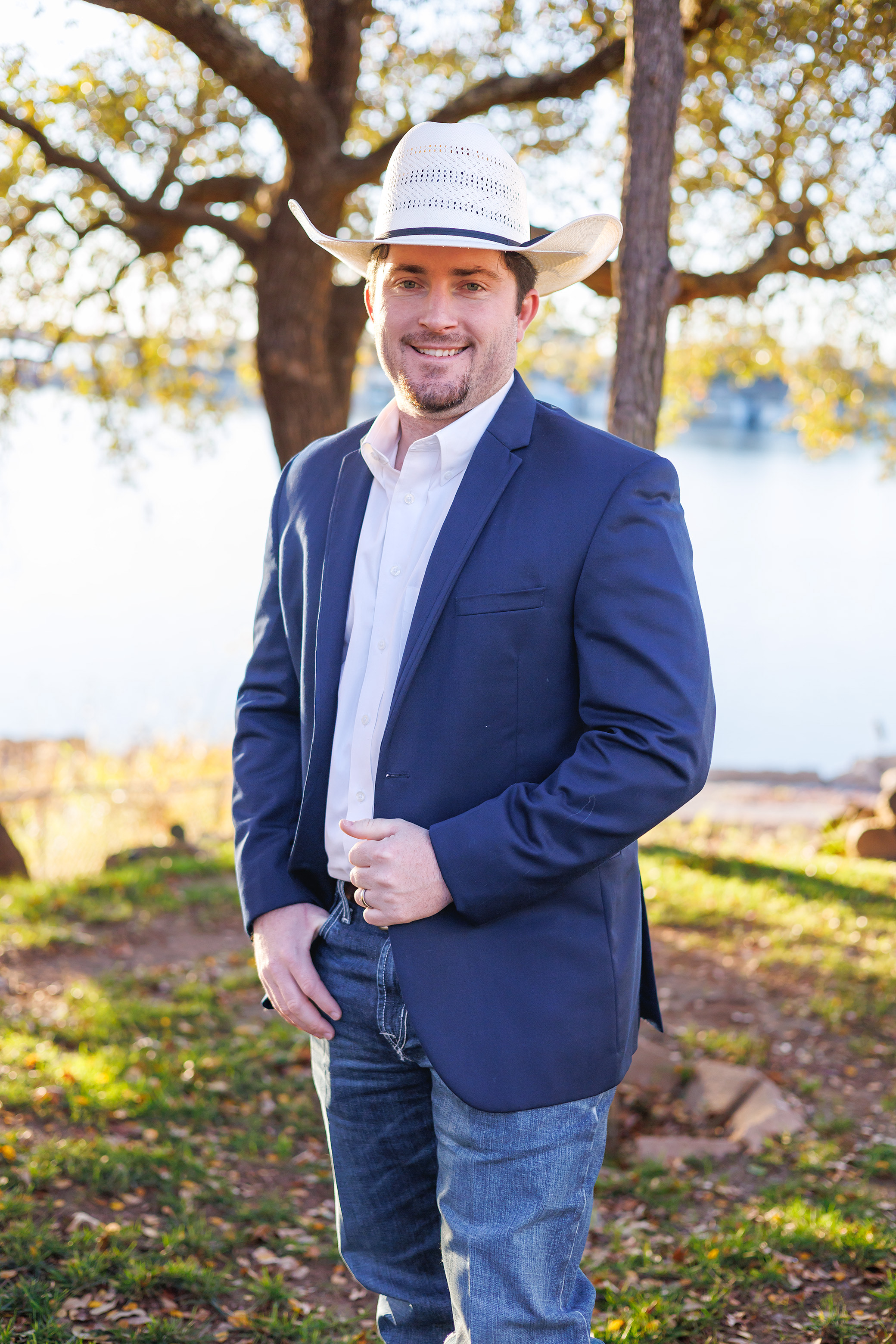
If you're considering a land purchase in Central Texas and want a candid, knowledgeable conversation about what to look for — and what to watch out for — feel free to reach out to Stephen Hoelscher at 325-899-1403. There's no obligation, just a straightforward discussion about the land and what it takes to find the right piece of ground for your goals.
Questions about Texas land?
I'm here to help. Call or text anytime for a no-pressure conversation.
Call (325) 899-1403